
Last updated September 10, 2026
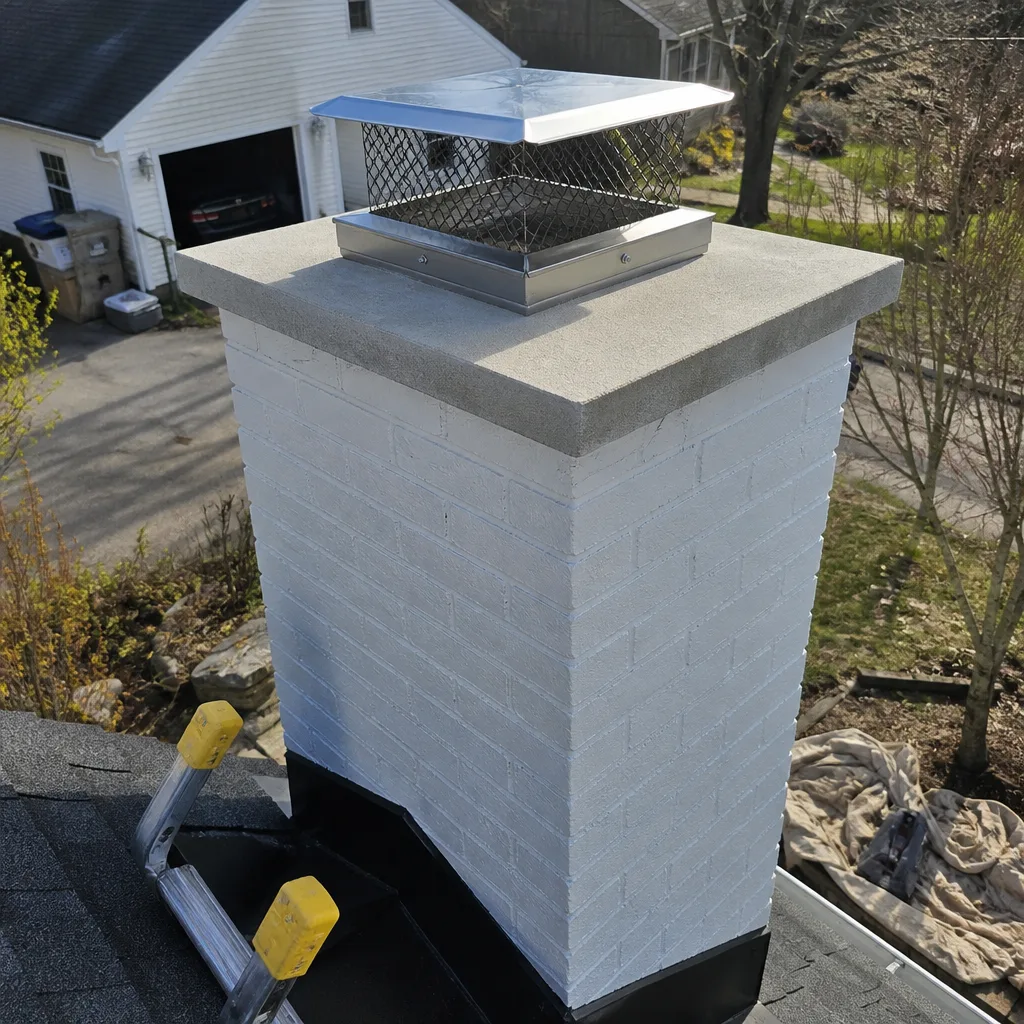
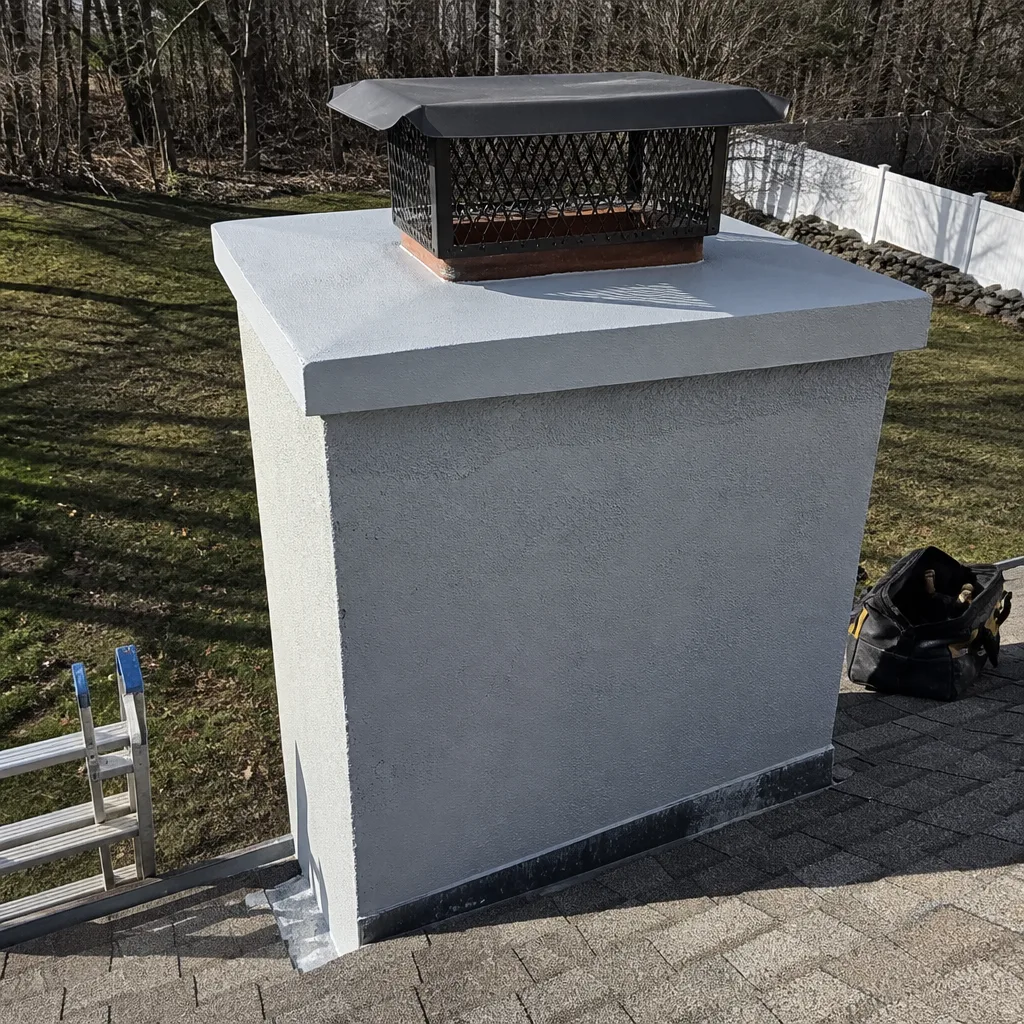
Level 1 sweep and inspection to the NFPA 211 annual standard - flue, crown, cap, and flashing checked and photographed
Chimney sweep logs do not sweep chimneys. They loosen some creosote - which then falls where a brush and vacuum still have to collect it.
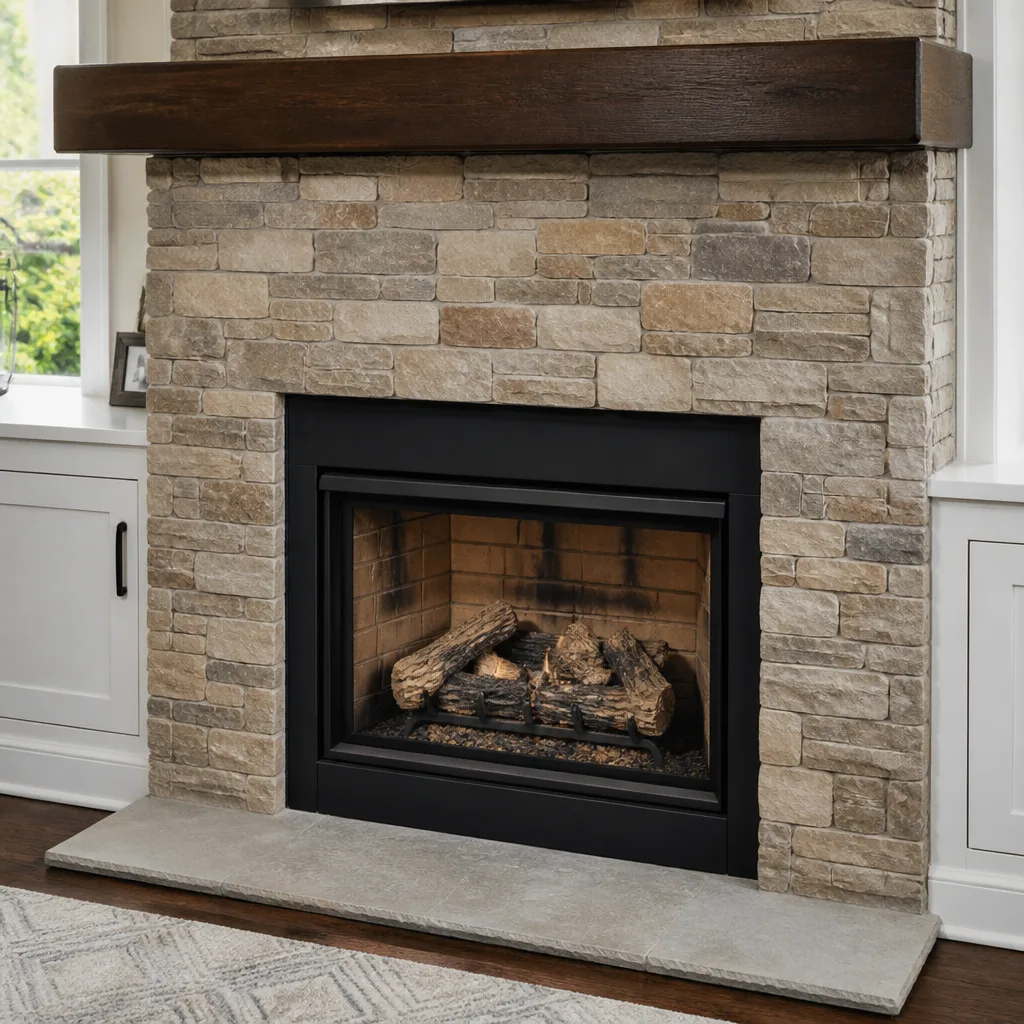
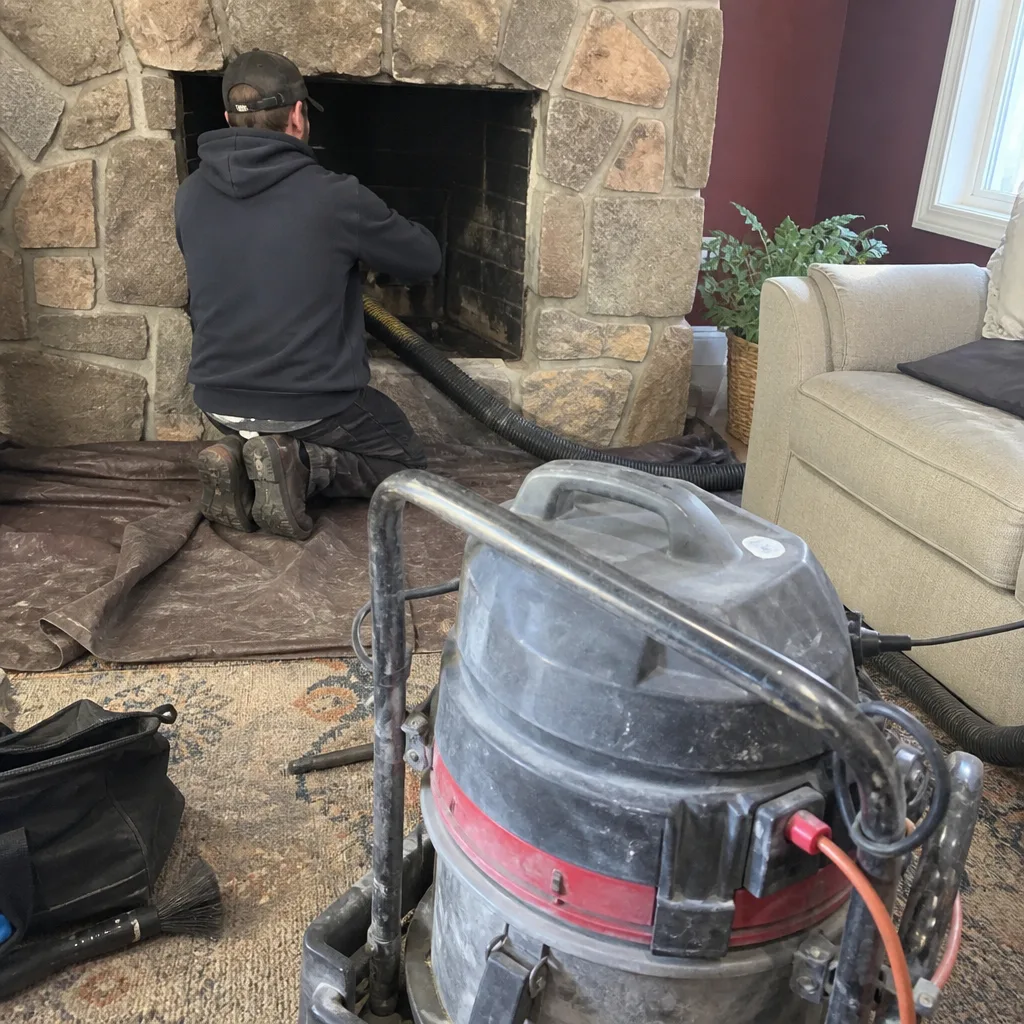 Before
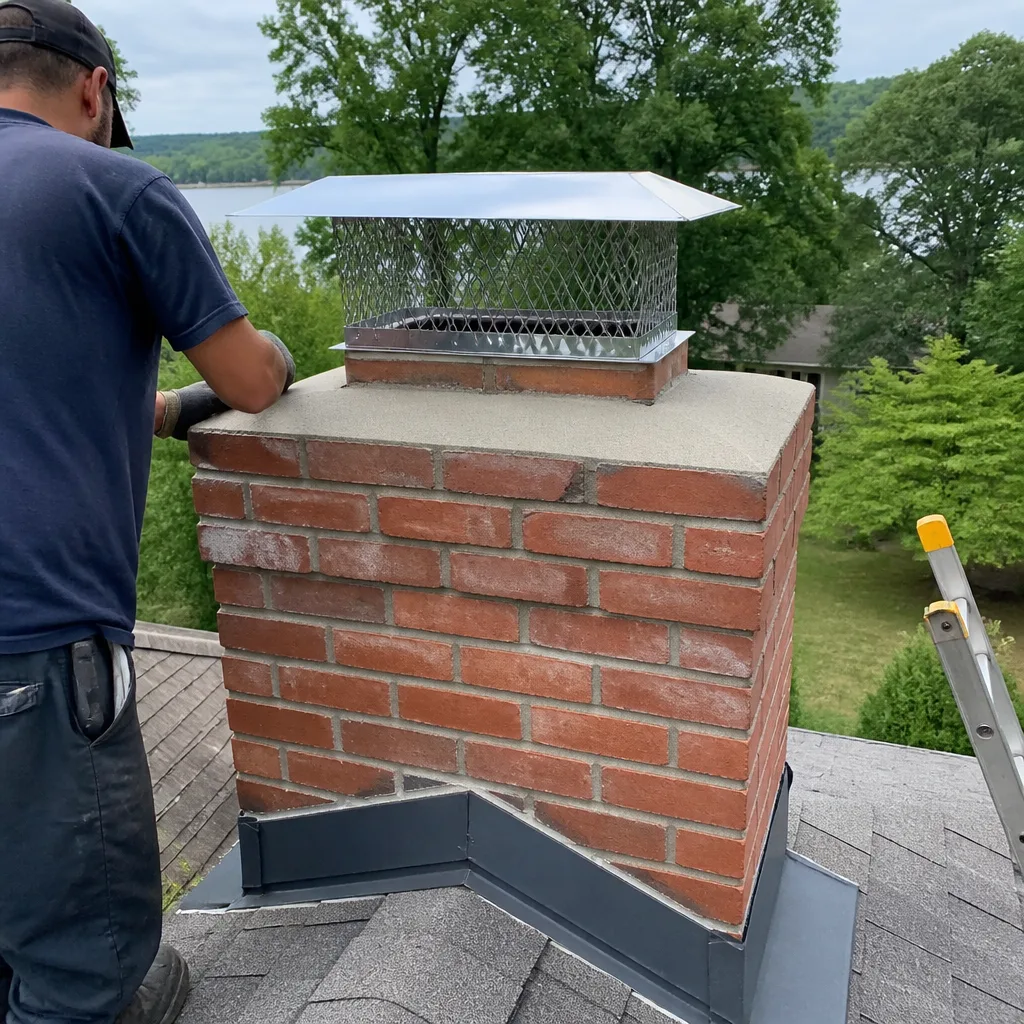 After
After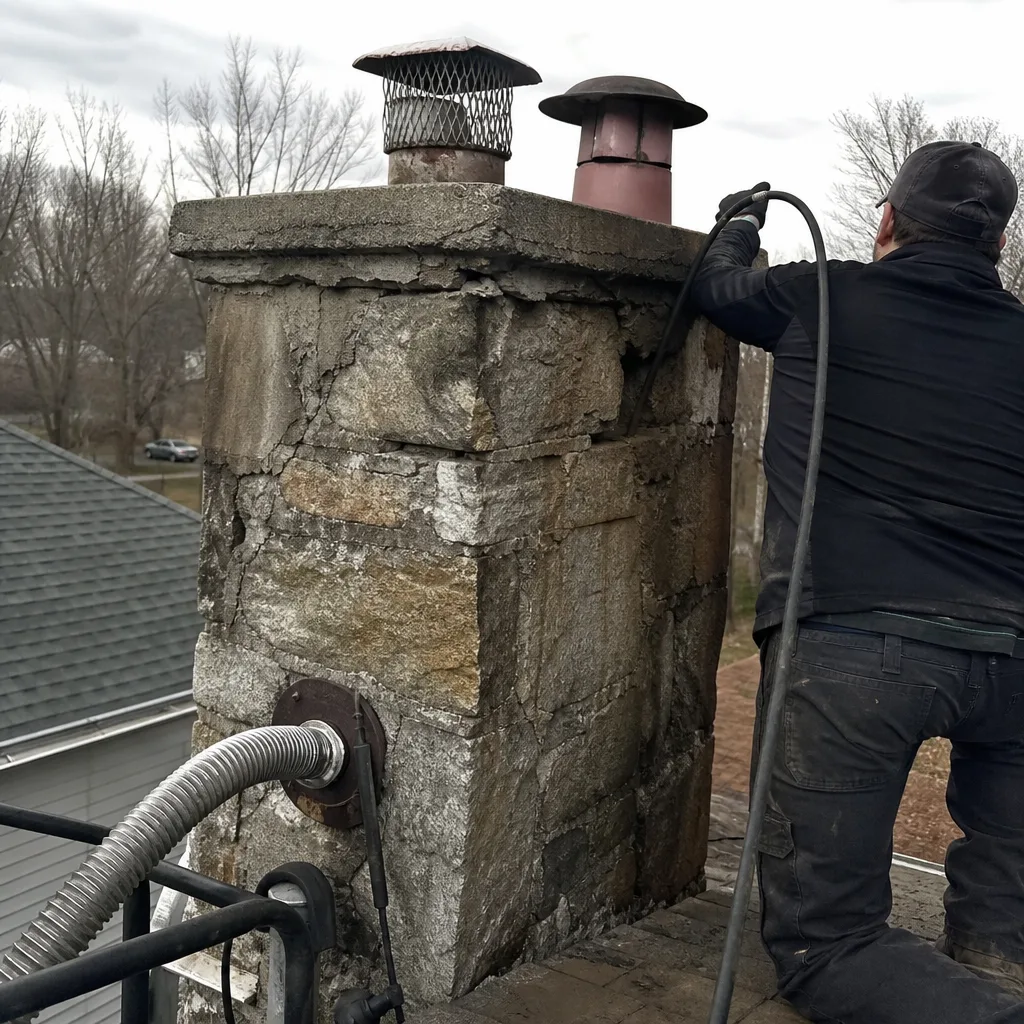 Before
 After
After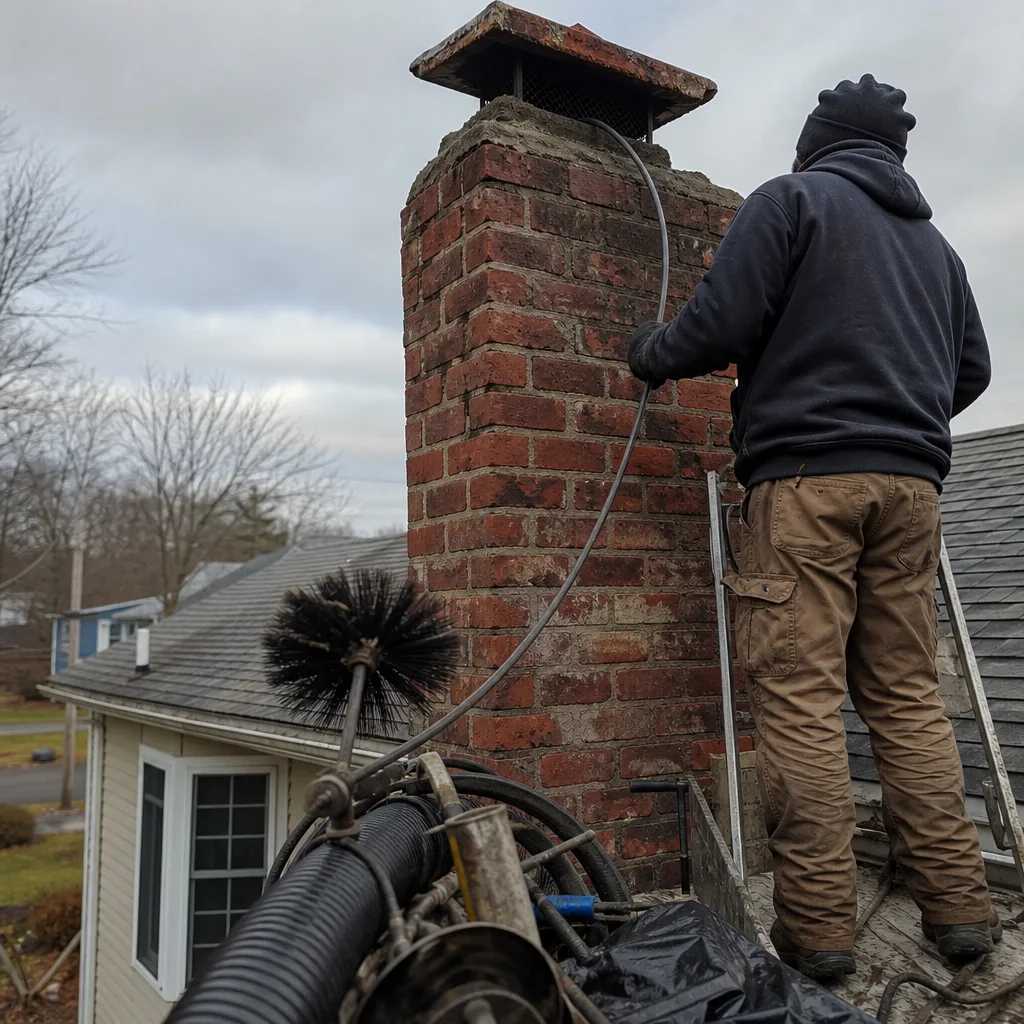 Before
 After
AfterDIY vs Professional Chimney Cleaning: The Shelton Homeowner’s Decision Guide
Most Shelton homeowners who ask us about cleaning their own chimney are not looking to cut corners. They are careful people who have maintained their own homes for decades and want to understand where their competence ends and a professional’s begins. Here is what we have learned in 42 years: a homeowner with the right brush kit can remove loose soot from a low-use fireplace insert, but that same homeowner cannot assess liner integrity, cannot identify Stage 2 creosote reliably, and cannot document the condition of a flue in a way that matters to an insurance company. This guide draws a clear line between the two.
Quick Answer
A Shelton homeowner can safely handle firebox ash removal, ground-level cap inspection, and damper operation checks. Professional cleaning becomes necessary for anything inside the flue, anything above one story, any liner other than standard clay tile, and any situation requiring documentation for insurance or resale. The real difference is not the brush. It is what the brush cannot reach and what the eye cannot see without proper equipment.
Table of Contents
- What Homeowners Can Safely Do Themselves
- What DIY Cleaning Cannot Reach or Detect
- DIY Tools and Their Real Costs
- What a Professional Cleaning Actually Delivers
- Insurance, Liability, and Documentation
- Three Conditions That Rule Out DIY Entirely
- Honest Cost Comparison: DIY vs Professional in Shelton
- Shelton-Specific Considerations: Climate, Codes, and Common Issues
What Homeowners Can Safely Do Themselves
There is honest work a homeowner can do without climbing a ladder or entering the flue. These tasks reduce fire risk, improve draft, and help you know when to call us.
Firebox Ash Removal
Wait 24 hours after the last fire. Wear a respirator rated N95 or higher, not a dust mask. Shovel cooled ash into a metal bucket with a tight lid. Store it outside on concrete, away from the house, for at least three days before disposal. In 2023, the Shelton Fire Department responded to a garage fire on River Road caused by ash stored in a cardboard box. Ash can hold embers for days.
Damper Operation Check
Open and close the damper fully. It should move smoothly and seat completely in both positions. A damper that sticks or leaks costs you heated air and can cause smoke backup. If the damper plate is warped or the frame is cracked, that is beyond DIY. We replace dampers with fireplace services in Shelton that restore proper function.
Ground-Level Cap and Crown Inspection
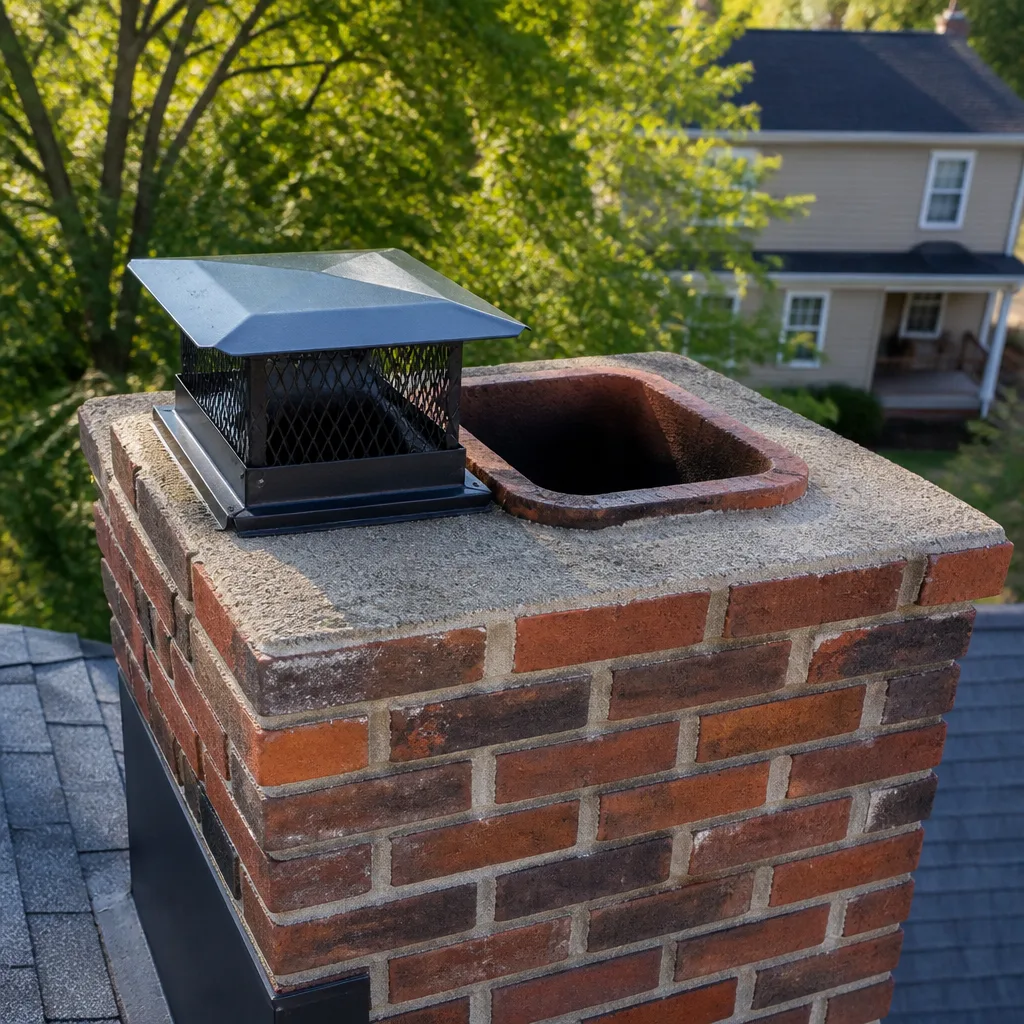
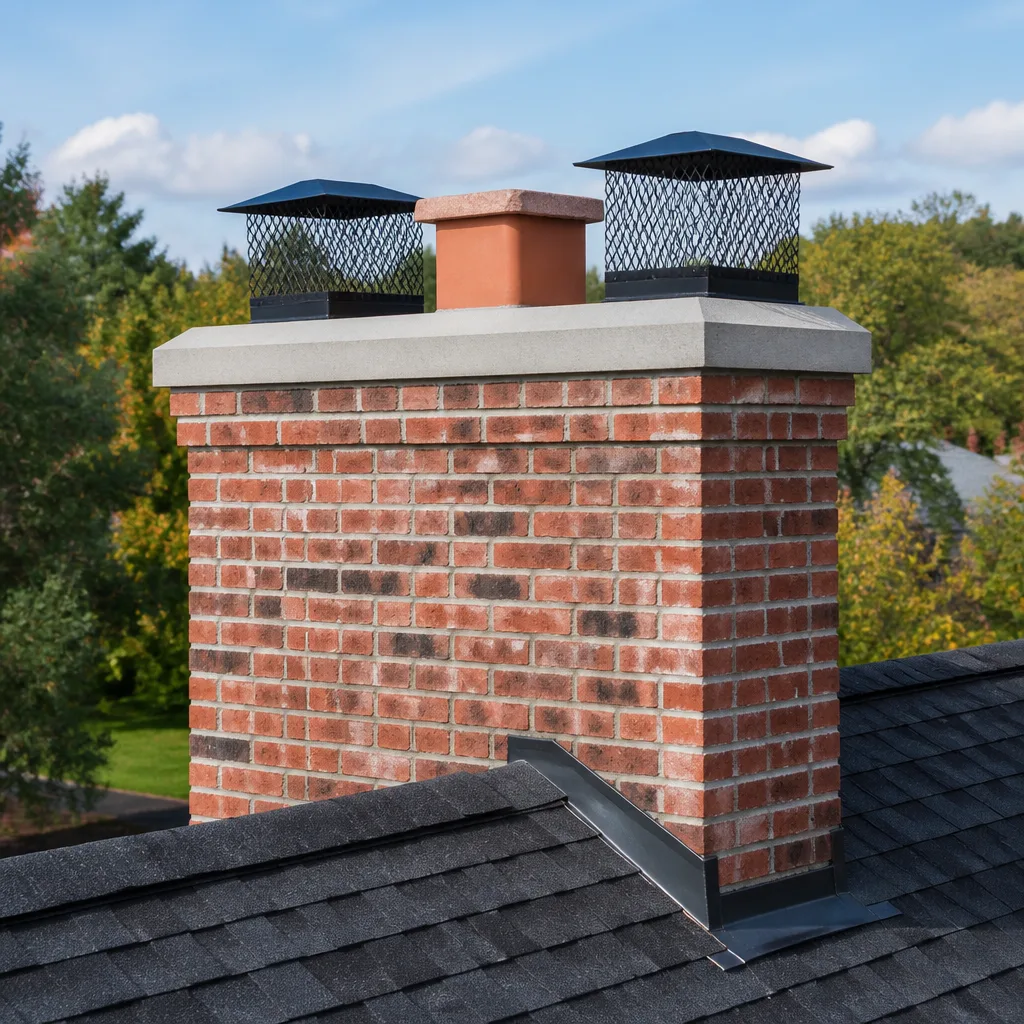
From the ground or a secure first-floor window, look at the chimney cap with binoculars. You are checking for three things: visible rust, missing mesh, and whether the cap sits level. A tilted cap often means crown damage underneath. Note what you see. If anything looks off, the next step is a professional inspection, not a ladder.
Hearth and Surround Cleaning
Brick or stone surrounds can be cleaned with a mild masonry cleaner and a stiff brush. Avoid acidic cleaners on natural stone. This is cosmetic maintenance, not safety work, but it matters to the longevity of the installation.
These four tasks are the full extent of what we recommend a homeowner attempt. They are useful. They are safe. They do not replace a professional sweep.
What DIY Cleaning Cannot Reach or Detect
The chimney system has three zones: the firebox (where you can see and reach), the smoke chamber (the angled area above the damper), and the flue (the vertical passage to the cap). DIY cleaning with a brush-on-a-pole reaches only part of the flue under ideal conditions. It misses the two locations where the most dangerous creosote accumulates.
The Smoke Chamber
The smoke chamber is the area above the damper where the fireplace walls slope inward to meet the flue. It is constructed of corbelled brick, creating ledges where creosote deposits heavily. A standard brush cannot navigate this space. Stage 2 creosote, which looks like shiny black tar flakes, forms here because temperatures drop as smoke slows and changes direction. Without a mirror and a high-output inspection light, you cannot see it. Without a specialized chamber sweep or mechanical removal tool, you cannot remove it.
In our chimney cleaning and sweep in Shelton work, we regularly find smoke chambers with half-inch creosote buildup in homes where the homeowner has been brushing the flue annually for years. They were not negligent. They were simply working blind.
The Connector Pipe
Wood stove and fireplace insert installations use a connector pipe to link the appliance to the flue liner. These pipes have elbows and horizontal runs where creosote collects rapidly. A homeowner cannot inspect the interior of a connector pipe without disassembling the installation, which requires knowledge of clearances and reassembly procedures. Incorrect reassembly creates a fire hazard.
Stage 2 and Stage 3 Creosote Identification
Stage 1 creosote is fluffy and sooty. A brush removes it. Stage 2 is hard, shiny, and flakes off in pieces. Stage 3 is glazed, hardened, and requires chemical treatment or mechanical removal. The stages are not reliably distinguishable by color alone. Lighting angle, surface texture, and location in the system all matter. We have seen Stage 2 deposits that looked like ordinary soot until scraped with a blade.
Liner Integrity
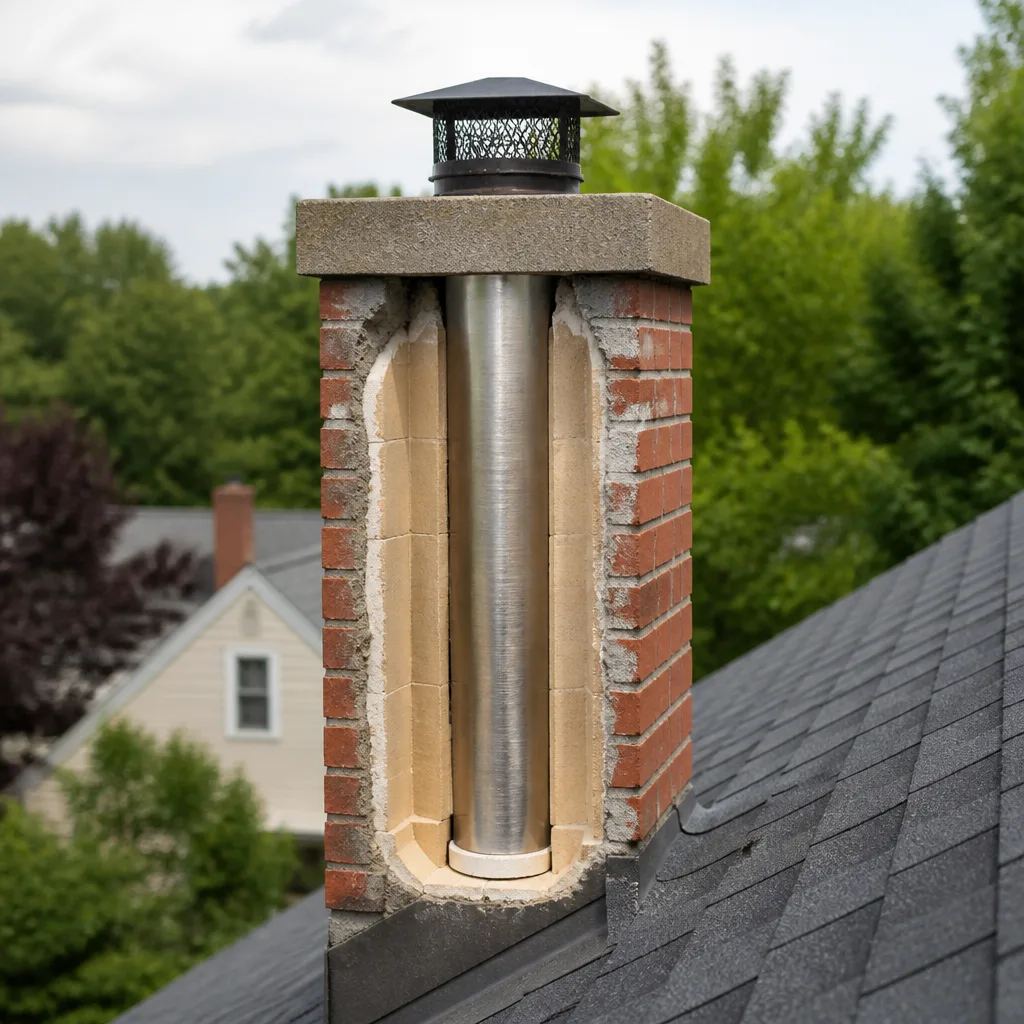
A clay tile liner can have cracked tiles, missing mortar joints, or spalled surfaces that are invisible from the firebox and undetectable by brushing. A stainless steel liner can have separated sections or corrosion at the collar. These defects allow heat and combustion gases to reach combustible framing. Only a Level 2 camera inspection reveals them. No brush kit includes a camera.
DIY Tools and Their Real Costs
A homeowner who wants to clean their own flue needs more than a wire brush from the hardware store. Here is what the work actually requires.
| Item | Purpose | Approximate Cost |
|---|---|---|
| Chimney brush (proper diameter for your flue) | Mechanical removal of Stage 1 creosote | $25-$45 |
| Fiberglass extension rods (minimum 12 feet for single-story) | Brush reach through full flue length | $40-$70 |
| Drop cloths and HEPA vacuum or ash vacuum | Containment and cleanup | $80-$200 |
| N95 or P100 respirator | Respiratory protection from fine particulate | $15-$30 |
| Inspection mirror and high-output LED light | Visual assessment of smoke chamber and damper | $30-$60 |
| Safety glasses, gloves, ladder (if accessing roof) | Personal protection and roof access | $100-$300+ |
Total for basic DIY capability: $290 to $705 for the first year. Brushes and rods wear and require replacement every few seasons. This assumes you already own a ladder tall enough for safe roof access, which most Shelton homeowners with two-story colonials or split-levels do not.
The tools above allow you to brush a flue. They do not allow you to inspect it, document it, or guarantee the result.
What a Professional Cleaning Actually Delivers
When we perform a chimney cleaning and sweep in Shelton, the service includes several components that are not available to the DIY homeowner. Understanding these helps explain the cost difference.
Level 2 Camera Inspection
We run a high-resolution camera the full length of the flue, recording video and capturing still images of every joint, every surface, every defect. The homeowner receives photos they can see and a plain-English verdict on what those photos mean. This documentation is dated and archived. If a question arises later, the record exists.
Smoke Chamber and Connector Pipe Cleaning
Our technicians use chamber sweeps, whips, and mechanical tools designed for angled and restricted spaces. For glazed creosote, we apply effective chemical treatments and return to remove the softened deposits. This is not a brush-and-hope process.
Full System Assessment
We inspect the firebox, damper, smoke chamber, flue, crown, cap, and exterior masonry. We check for proper clearances to combustibles, adequate hearth extension, and correct installation of any insert or stove. Problems found are explained with photos, not pressure.
Written Documentation and Guarantee
Every cleaning concludes with a written report. Our work is covered by the 90-Day Done Right Promise. If it is not right, we make it right. In writing, no arguing. This is the Keystone Standard we have operated under since 1984.
Material Quality
When repairs are needed, we use professional-grade materials from HeatShield, Gelco, Olympia Chimney, and other industry-trusted brands. No builder-grade substitutes. The difference in longevity between a proper crown repair with Gelco materials and a hardware-store patch is measured in years, not months.
Insurance, Liability, and Documentation
This is the section most DIY guides omit entirely, and it is where the real cost of self-cleaning becomes visible.
Homeowner’s insurance policies in Connecticut typically contain language about “reasonable maintenance” and “known hazards.” After a chimney fire, the insurer will request documentation of professional inspection and cleaning. If the homeowner has no such documentation, the claim may be denied or reduced on the basis that the condition was preventable through ordinary care.
We are not insurance agents, and policy language varies. In our experience serving Shelton and surrounding towns, we have seen the following pattern: insurers pay claims where there is a record of professional maintenance. They dispute claims where the homeowner has no documentation, particularly if the chimney shows evidence of long-neglected creosote buildup or structural defects that a professional would have identified.
A professional cleaning with camera inspection creates a dated, third-party record. It does not guarantee claim approval, but it removes one major basis for denial. For a homeowner who has maintained the same property for twenty or thirty years, this documentation becomes part of the property’s maintenance history, valuable at resale as well as after an incident.
The cost of a professional cleaning is partly insurance against a much larger future problem. The DIY homeowner saves the service fee and assumes that risk personally.
Three Conditions That Rule Out DIY Entirely
There are situations where we advise every homeowner, regardless of skill or confidence, to stay on the ground and call a professional. These are not matters of preference. They are matters of physics, chemistry, and access.
- Any chimney over one story. Roof work on a two-story colonial in the Huntington or White Hills neighborhoods involves fall risks that no homeowner should take for routine maintenance. Shelton’s building stock includes many steep-roofed homes built in the 1960s and 1970s. The angle that sheds snow well makes footing treacherous. We carry proper fall protection and train on it annually.
- Any liner other than standard clay tile. Stainless steel liners, cast-in-place liners, and modular systems each have specific inspection and cleaning protocols. Damage to a stainless liner collar or a displaced section is not visible from below and requires specialized knowledge to assess. The wrong brush can damage a stainless liner. We have replaced liners where a homeowner’s aggressive brushing dislodged a section.
- Any fireplace that has experienced a chimney fire. A chimney fire alters the structure of the liner and surrounding masonry. Clay tiles may have cracked from thermal shock. Mortar may have weakened. The chimney may now have gaps that allow heat transfer to framing. Even a small chimney fire, one the homeowner barely noticed as a loud rumble or unusual smell, requires professional inspection before the fireplace is used again. Using a damaged chimney is a genuine hazard. We have found cracked liners in Shelton homes where the owner reported “a little noise” two seasons prior and continued using the fireplace.
If any of these three conditions applies to your home, DIY cleaning is not a cost-saving measure. It is a gamble with odds you cannot calculate.
Honest Cost Comparison: DIY vs Professional in Shelton
Let us look at actual numbers for the 2024-2025 season in the Shelton market.
| Cost Element | DIY Approach | Professional Service |
|---|---|---|
| Initial equipment | $290-$705 | Included in service |
| Annual service fee | $0 (after year one, replacement brushes and rods only) | $199-$289 for cleaning with Level 2 inspection |
| Camera inspection | Not available to homeowner | Included |
| Written report with photos | Not available | Included |
| Smoke chamber cleaning | Limited capability | Included |
| Repair identification | Dependent on homeowner knowledge | Trained assessment included |
| Guarantee | None | 90-Day Done Right Promise |
| Insurance documentation | None | Dated, archived record |
Over five years, the DIY homeowner who already owns equipment spends little on annual maintenance but carries all risk of undetected defects. The professional service costs $995-$1,445 over the same period and provides documentation, guarantee, and detection of problems before they become emergencies.
A single undetected cracked liner that leads to a house fire makes this comparison irrelevant. A single denied insurance claim based on lack of maintenance documentation can cost tens of thousands. The professional service is not cheaper in raw dollars. It is cheaper in risk-adjusted cost, which is how careful homeowners have always evaluated real expenses.
Our $89 Seasonal Tune-Up, available to Shelton homeowners, provides an accessible entry point for those who want professional assessment without full cleaning commitment. The Free Second Opinion on any written estimate ensures you can verify another contractor’s recommendations without cost.
Shelton-Specific Considerations: Climate, Codes, and Common Issues
Shelton’s location in the lower Naugatuck Valley creates specific conditions that affect chimney performance and maintenance needs, which is why our Seasonal Chimney Cleaning Care for Shelton: Year-Round Homeowner’s Guide covers local weather patterns in depth.
Climate and Burn Patterns
Shelton homeowners burn more heating hours than coastal Connecticut because winter temperatures drop lower and stay cold longer than in shoreline towns. The 2023-2024 season included 28 nights below 20 degrees Fahrenheit. Extended cold snaps mean more fires, more creosote accumulation, and more thermal cycling of chimney materials. We see more spalled clay tile and more crown cracking in Shelton than in milder microclimates to the south.
Local Building Stock
The White Hills and Pine Rock neighborhoods include many homes built in the 1960s and 1970s with unlined or partially lined chimneys originally built for oil or gas conversion. When these homes were later fitted with wood-burning fireplaces or inserts, the chimneys were often not properly relined. We find this situation regularly in chimney repair in Shelton inspections. A homeowner brushing such a chimney has no way to know whether the flue is properly lined for the appliance being used.
Wood Availability and Quality
Shelton’s wooded character means many homeowners burn wood harvested locally. Seasoned hardwood (oak, maple, hickory) burns cleanly. Unseasoned or soft wood (pine, spruce) creates more creosote. We have cleaned chimneys in the Long Hill area where the homeowner burned construction scrap and pallet wood, creating glazed deposits in a single season. DIY brushing does not remove this material.
Local Codes and Permits
The City of Shelton requires permits for chimney liner installation, chimney rebuild, and certain repair work. A homeowner performing their own cleaning does not trigger permit requirements. However, if DIY cleaning reveals a need for repair, any structural or liner work must be permitted and inspected. We handle permit applications as part of our repair services, ensuring code compliance and final inspection sign-off.
Common Mistakes to Avoid
- Using a brush that does not match flue diameter. An undersized brush fails to contact all surfaces. An oversized brush can lodge in the flue, requiring professional extraction. Measure before buying, or have a professional measure for you.
- Cleaning from the top down without proper roof safety. Every year in Connecticut, homeowners are injured falling from roofs and ladders during chimney maintenance. The savings from DIY evaporate with a single emergency room visit.
- Assuming no visible soot means no creosote. Stage 2 and Stage 3 creosote are often not visible from the firebox. The flue can look clean while dangerous deposits accumulate in the smoke chamber and upper flue.
- Burning chimney cleaning logs as a substitute for sweeping. These products may loosen light deposits but do not remove established creosote. They are not recognized by the Chimney Safety Institute of America as a replacement for mechanical cleaning.
- Ignoring the smoke chamber because it is hard to reach. The smoke chamber is where many chimney fires originate. Inaccessibility to DIY tools does not mean it is unimportant. It means you need professional equipment.
- Disassembling a wood stove or insert without knowing reassembly requirements. Improper reassembly of a connector pipe can create clearance violations or leak combustion gases into the living space. If you do not know the manufacturer’s specifications, do not disassemble the installation.
- Skipping inspection after a chimney fire or unusual event. A loud rumble, sudden draft change, or acrid smell during burning may indicate a chimney fire. Continuing to use the system without professional inspection risks structural failure or house fire.
When to Call a Professional
Call a professional when the work involves the flue, the roof, or any uncertainty about safety. Call when you need documentation for insurance or resale. Call when you have experienced a chimney fire, smell smoke where it does not belong, or see deterioration you cannot explain.
In Shelton, Hearthstone Chimney Co. home provides free estimates with no pressure. Our technicians are background-checked and uniformed. Most jobs are completed in a single visit. We answer the phone with a live person, 24 hours a day, every day. If you are unsure whether your situation requires professional service, call us at (475) 265-6822 and we will tell you directly. Some situations we can resolve with guidance over the phone. Others require a visit. We do not sell what you do not need.
Frequently Asked Questions
A professional chimney cleaning with Level 2 camera inspection in Shelton typically ranges from $199 to $289, depending on the number of flues, the type of appliance, and the condition of the system. Our $89 Seasonal Tune-Up provides a lower-cost option for homeowners who want professional assessment first. Call (475) 265-6822 for an exact quote based on your specific setup.
You need a new liner when the existing liner is damaged, improperly sized, or incompatible with your appliance. A cracked clay tile liner or corroded stainless liner cannot be cleaned into safety. We document liner condition with camera photos and explain what we see in plain English. If work can safely wait, we say so. Nothing is recommended without evidence you can see for yourself.
The National Fire Protection Association recommends annual inspection, with cleaning as needed based on creosote accumulation. In Shelton’s colder climate, most wood-burning fireplaces and stoves require annual cleaning. Oil and gas systems typically need less frequent maintenance but still require regular inspection for venting integrity and structural condition.
Skipped maintenance leads to creosote buildup, which increases fire risk. It also allows minor defects, cracked liners, deteriorated mortar, and cap damage to progress unnoticed. These conditions can cause chimney fires, carbon monoxide intrusion, water damage to interior structures, and costly repairs that would have been minor if caught early. The real cost of skipping maintenance is not the cleaning fee you saved. It is the emergency you failed to prevent.
A standard shop vacuum is not designed for fine ash and creosote particulate. Ash particles are abrasive and can damage the motor. More importantly, a vacuum does not remove adhered creosote from flue walls. It cleans up debris after mechanical brushing, which is a different task entirely. If you attempt DIY cleaning, use a vacuum rated for ash collection or rely on drop cloths and manual cleanup.
We maintain a permanent 5% discount for seniors and veterans. This is not a seasonal promotion. It is a standing acknowledgment of the communities we serve. Mention your eligibility when you call (475) 265-6822 to schedule.
The Bottom Line
The question is not whether a capable homeowner can clean a chimney. The question is what that cleaning accomplishes and what it leaves unknown. In Shelton, a homeowner can maintain the firebox, check the damper, and inspect the cap from the ground. These are useful tasks. They do not constitute a complete chimney maintenance program.
Professional cleaning provides access to hidden spaces, detection of dangerous conditions, documentation for insurance and resale, and a guarantee that the work was done correctly. The cost difference between DIY and professional service is real but smaller than it appears when equipment, risk, and documentation are counted honestly.
For chimneys over one story, with non-standard liners, or with any history of fire or unusual operation, professional service is not optional. It is the only responsible choice. We have been serving local communities for over 42 years, and we plan to be here when your chimney needs attention again. Done right, and we stand behind it.
Written by Russell Haines, Owner at Hearthstone Chimney Co., serving Shelton since 2014.