
Last updated September 10, 2026
Level 1 sweep and inspection to the NFPA 211 annual standard - flue, crown, cap, and flashing checked and photographed
Chimney sweep logs do not sweep chimneys. They loosen some creosote - which then falls where a brush and vacuum still have to collect it.
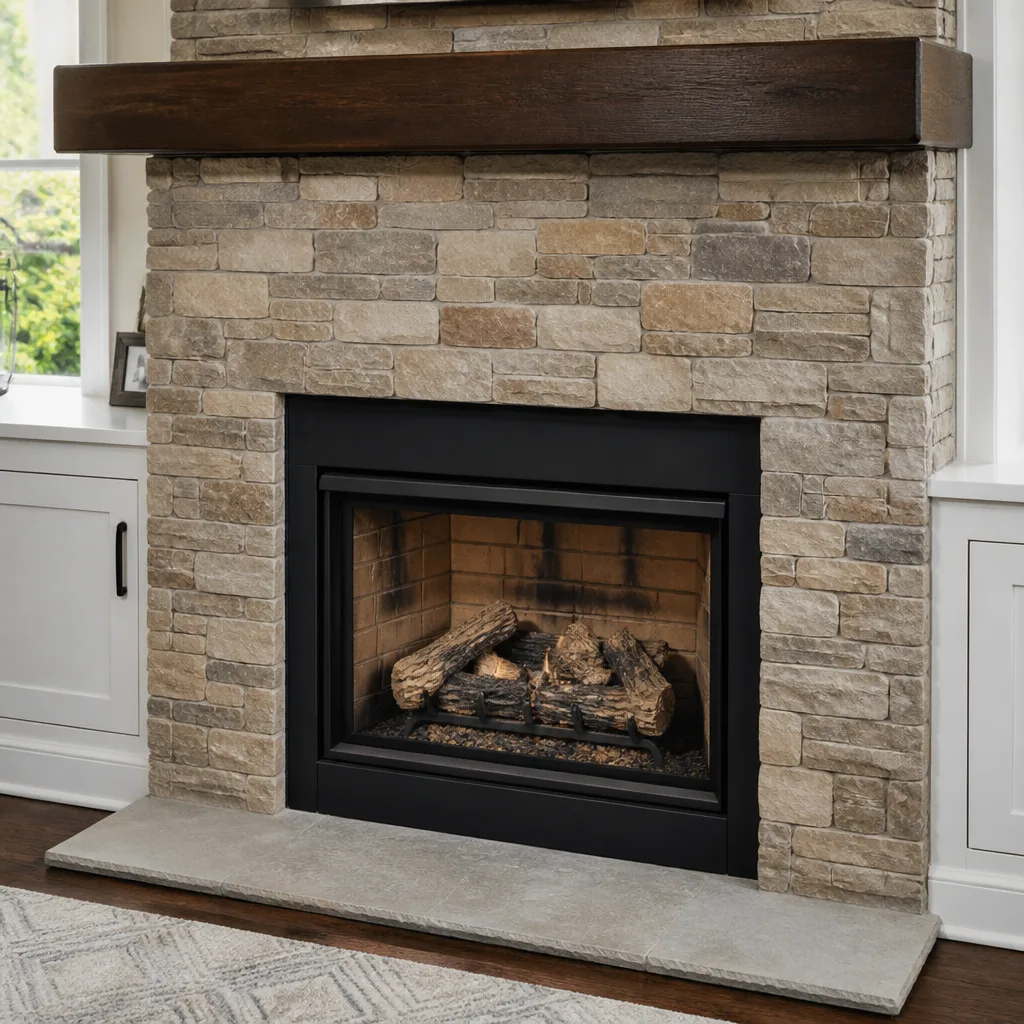
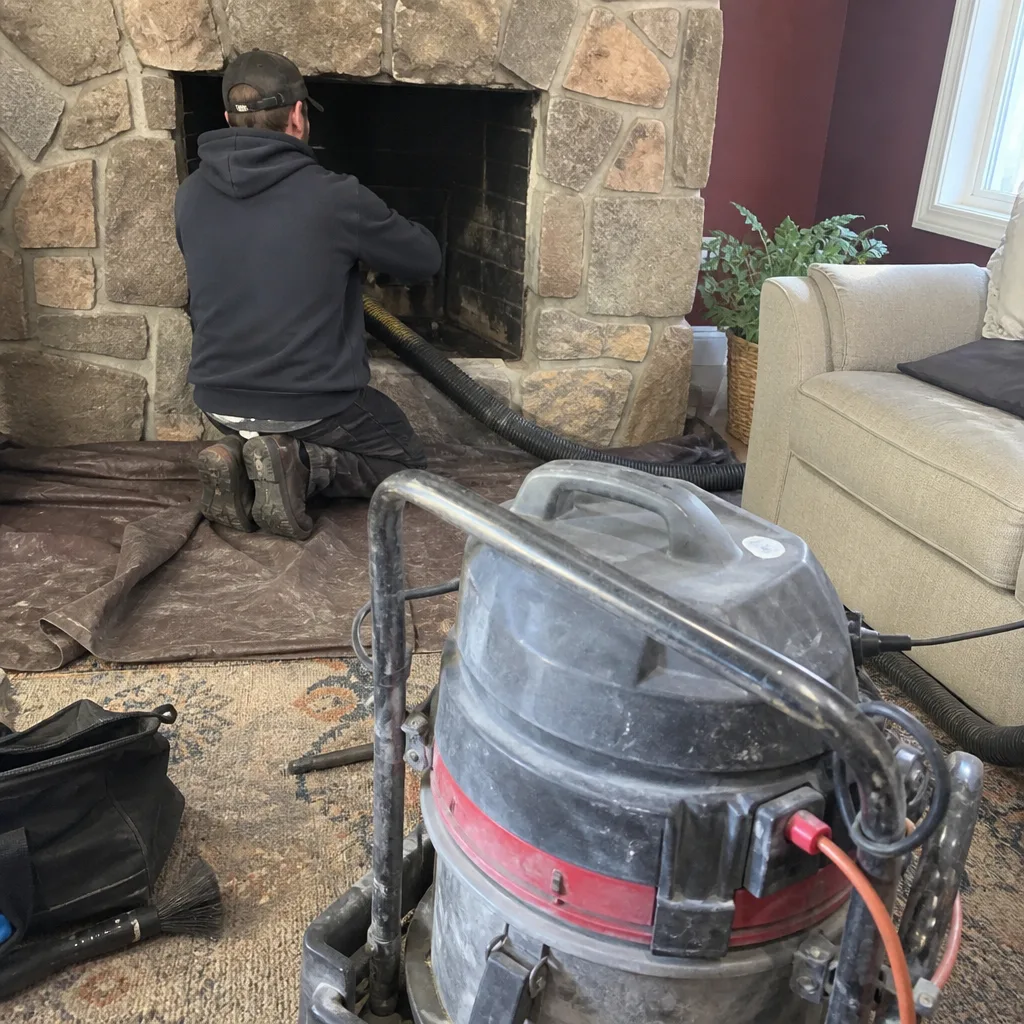 Before
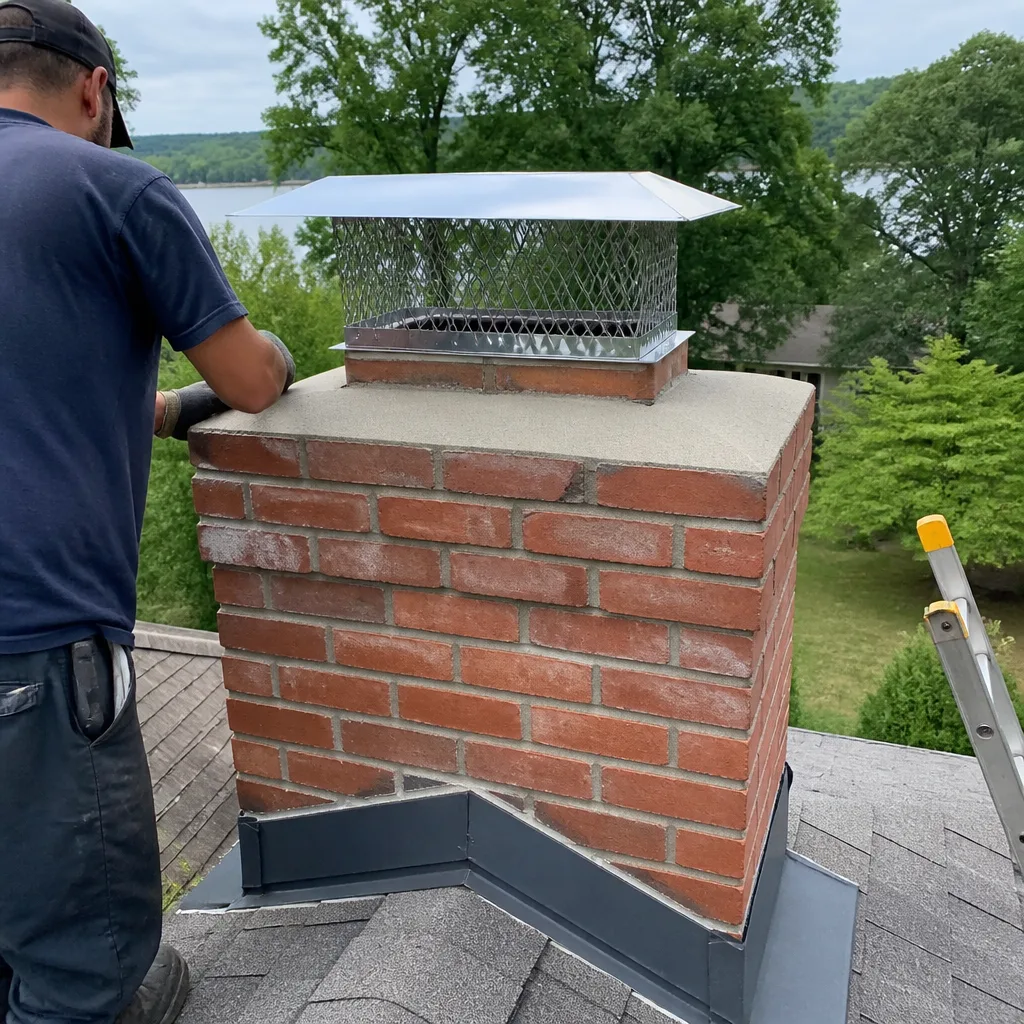 After
After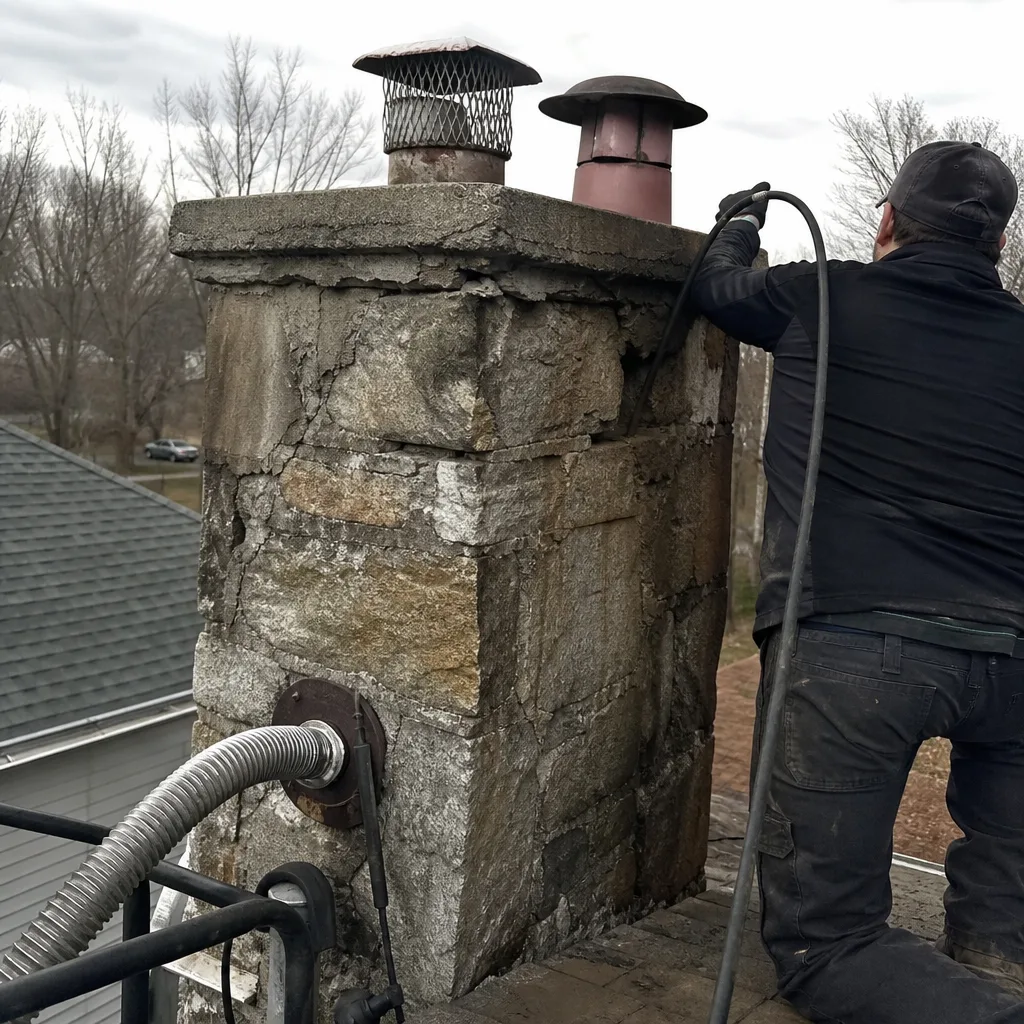 Before
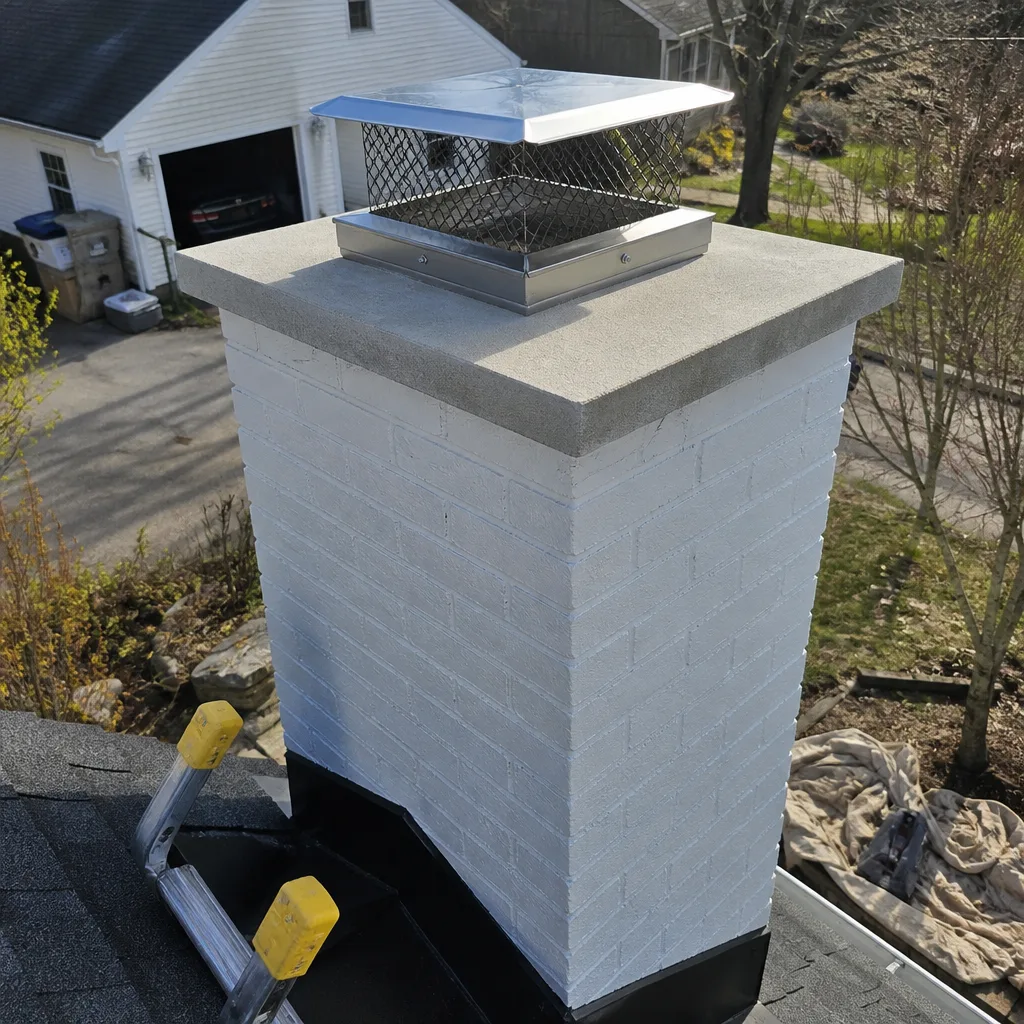 After
After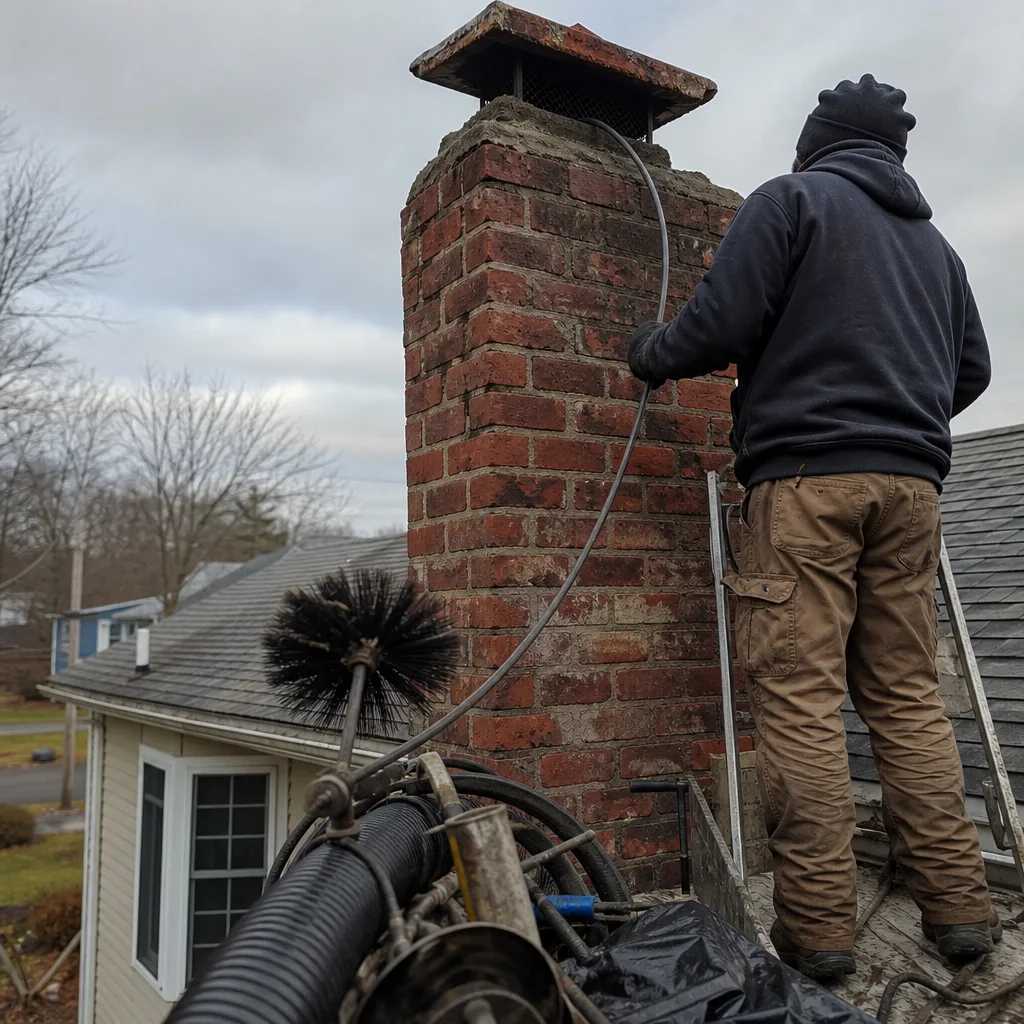 Before
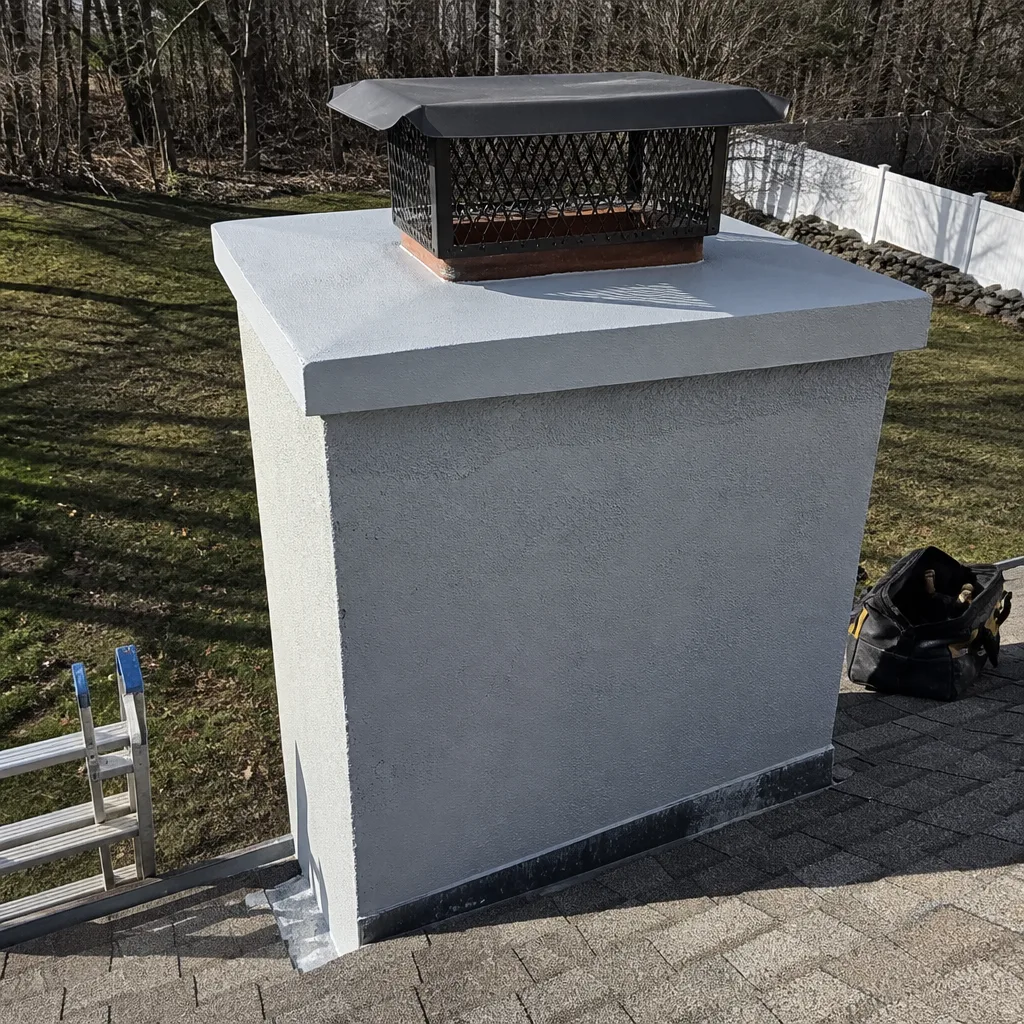 After
AfterChimney Cleaning & Sweep Maintenance Checklist for Shelton Homeowners
Most chimney checklists are written for the technician holding the brush, not the homeowner writing the check. That is a problem. After forty-two years in this trade offering our Chimney Cleaning & Sweep services, we have seen too many Shelton homeowners left with a receipt and a vague verbal report, with no record of what was actually found and no way to know if the fireplace is safe to light tonight. This guide fixes that. It is a working checklist you can use the day after your sweep leaves, with a plain pass, hold, or stop-use verdict on every item. We built it for the homeowner who has lived in the same house for twenty years, intends to stay, and wants the job documented right.
Quick Answer
A proper chimney maintenance checklist for Shelton homeowners covers three zones: the interior firebox and damper (checked for creosote buildup, liner cracks, and damper operation), the exterior crown, cap, and flashing (checked for water intrusion and structural integrity), and the documentation of findings with a pass/hold/stop-use verdict. Homeowners should perform seasonal tasks like cap screen clearing in fall and post-storm inspections, but leave Level-2 camera inspections and creosote removal to a CSIA-certified sweep. For more detail, see our Chimney Cleaning Warning Signs: A Shelton Homeowner’s Reference Guide. In Shelton’s freeze-thaw climate, water damage at the crown and flashing is the most commonly missed problem on quick-service visits.
Table of Contents
- The Pre-Inspection Walkthrough You Can Do Yourself
- Interior Firebox & Damper Checklist
- Exterior Crown, Cap & Flashing Checklist
- Creosote Staging & The Stop-Use Verdict
- Seasonal Tasks: Homeowner vs. Professional
- Building Your Maintenance Log for Insurance
- The Pass/Hold/Stop-Use Decision Key
- Common Mistakes to Avoid
- When to Call a Professional
- Frequently Asked Questions
- The Bottom Line
The Pre-Inspection Walkthrough You Can Do Yourself
Before your sweep arrives, walk through your house with a flashlight and your nose. This is not a substitute for a professional inspection, but it gives you baseline knowledge and helps you ask better questions when the technician is on site.
Room by room:
- Firebox and hearth room: Open the damper fully. It should move smoothly without grinding or catching. Look up the flue with your flashlight. You are checking for three things: black, shiny creosote deposits (stage two, which is hazardous), visible cracks in the clay liner tiles, and any debris like bird nests or fallen bricks. In Shelton, we regularly see squirrel nesting material in flues that back up to wooded lots near the Far Mill River corridor. If you smell a strong, acrid odor even when the fireplace is cold, that indicates active creosote buildup absorbing humidity.
- Basement or utility room below the chimney: Look at the chimney base where it passes through the floor or foundation. White, powdery efflorescence on brick means water is migrating through from the exterior. Rust on the cleanout door or damp debris inside it means water is entering from above. Neither is normal, and both worsen through Connecticut winters.
- Chimney Repair in Shelton becomes necessary when these water signs are ignored. We have rebuilt chimney bases in Huntington and White Hills neighborhoods where homeowners assumed basement dampness was “just old house character” for three seasons too long.
- Attic, if accessible: Check the chimney where it passes through the roof framing. Staining on the framing members, insulation compression, or rusted metal around the chimney indicates flashing failure. This is often the first visible sign of a problem that started two seasons prior.
- Exterior ground level: Walk the perimeter. Spalled brick faces, missing mortar joints, or a crown with visible cracks wider than a dime are all water entry points. In Shelton’s climate, with freeze-thaw cycles from November through March, a cracked crown can admit enough water to destroy a chimney from the top down in two winters.
Write down what you find, with dates. Your notes become the reference point for every future inspection.
Interior Firebox & Damper Checklist
The firebox is where most homeowners focus their attention, and rightly so. It is also where quick-service sweeps sometimes do the least thorough work because the damage is not always visible without a camera.
Items to verify after any sweep or inspection:
- Damper operation: The damper plate should open to approximately 90 degrees and seat flat when closed. A warped or rusted damper leaks heated air up the flue year-round and can admit downdrafts that blow smoke into the room. In our experience across Shelton, dampers in homes built before 1990 often have degraded cast-iron frames that no longer seal. Replacement with a top-sealing damper, installed by a professional, typically solves both the seal and the draft problem.
- Firebrick condition: Look for cracks wider than 1/8 inch, missing chunks, or bricks that sound hollow when tapped. The firebrick reflects heat back into the fire and protects the surrounding structure. Compromised firebrick allows excessive heat transfer to combustible framing. We replaced firebrick in a Fireplace Services in Shelton call last season where the homeowner had burned with cracked brick for four years; the refractory panel behind it had begun to degrade.
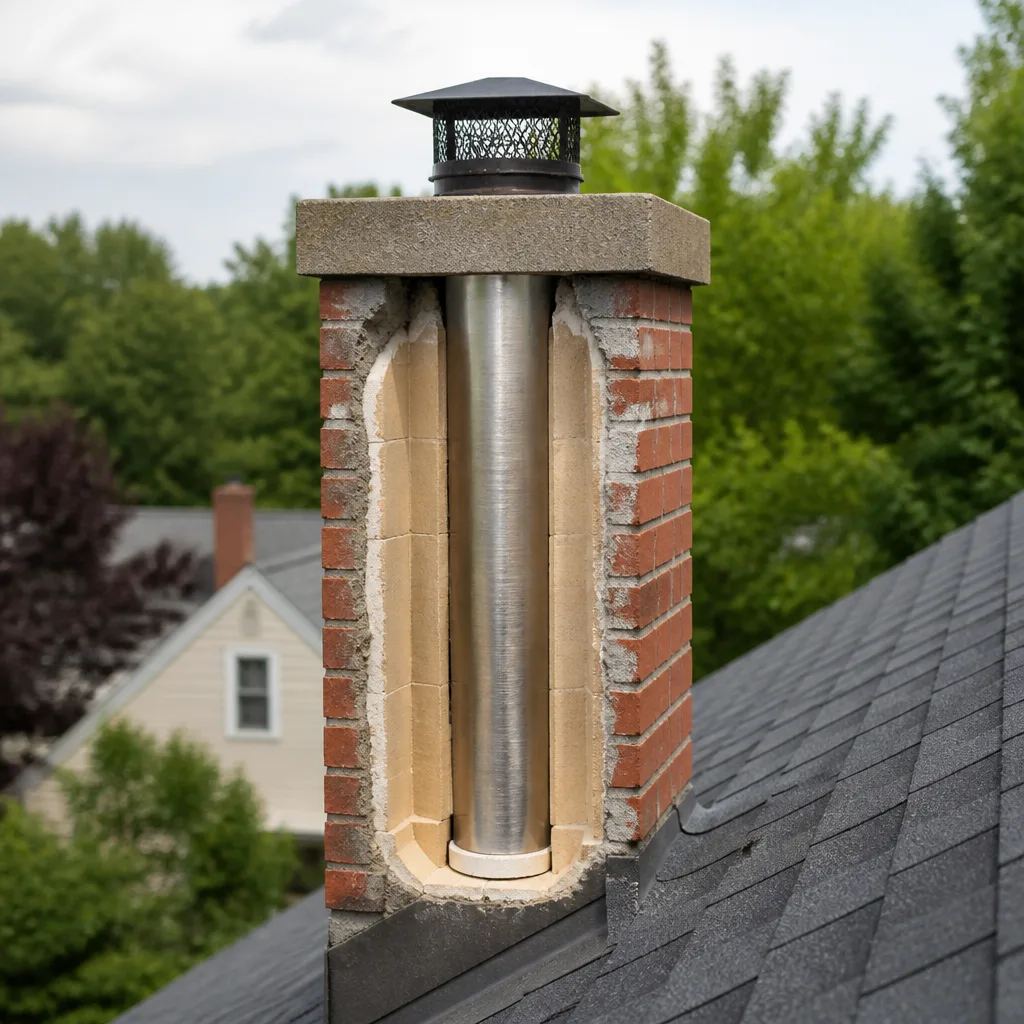
- Liner visibility: With the damper open and a strong flashlight, you should see continuous clay tiles or a stainless steel liner running the full height. Jagged edges, missing tile sections, or gaps at tile joints mean the liner is compromised. This is not a cosmetic issue. A breached liner allows creosote to accumulate in the space between flue and brick, and permits sparks and heat to reach combustible materials. In Connecticut, this is a code violation under the Connecticut State Building Code, Section R1001, and most insurance policies require a functional liner for coverage.
- Smoke shelf and chamber: These are not visible from below without a camera, which is why a Level-2 inspection matters. The smoke shelf catches debris and should be cleaned of creosote buildup. The smoke chamber, the angled area above the damper, should be parged smooth. A rough, corbeled smoke chamber creates turbulence that reduces draft and increases creosote deposition. We regularly find smoke chambers in Shelton’s older stock, particularly in the downtown historic district, that were never properly parged during original construction.
- Hearth extension: The non-combustible surface in front of the firebox must extend at least 16 inches in front and 8 inches to each side for fireplaces, or follow the appliance manufacturer’s specification for inserts. Cracked, missing, or insufficient hearth extensions are a common finding in homes where the original fireplace has been modified.
Verdict guidance: Cracked firebrick or a sticky damper is a hold, schedule repair within the season. A breached liner or missing hearth extension is stop-use until repaired.
Exterior Crown, Cap & Flashing Checklist
This is where most chimney problems in Shelton actually begin, and where quick-service visits most often cut corners. Water is the enemy of every masonry chimney, and Connecticut winters give it every advantage.
The crown:
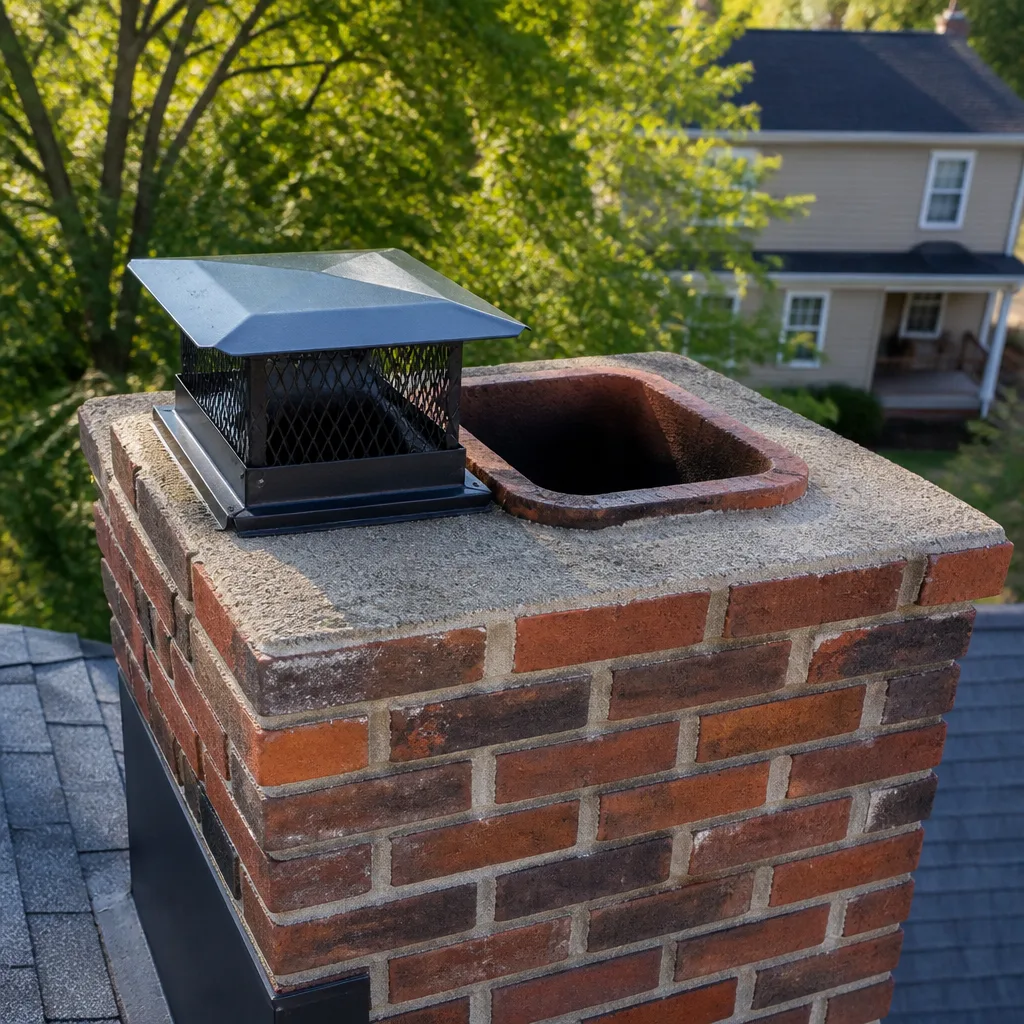
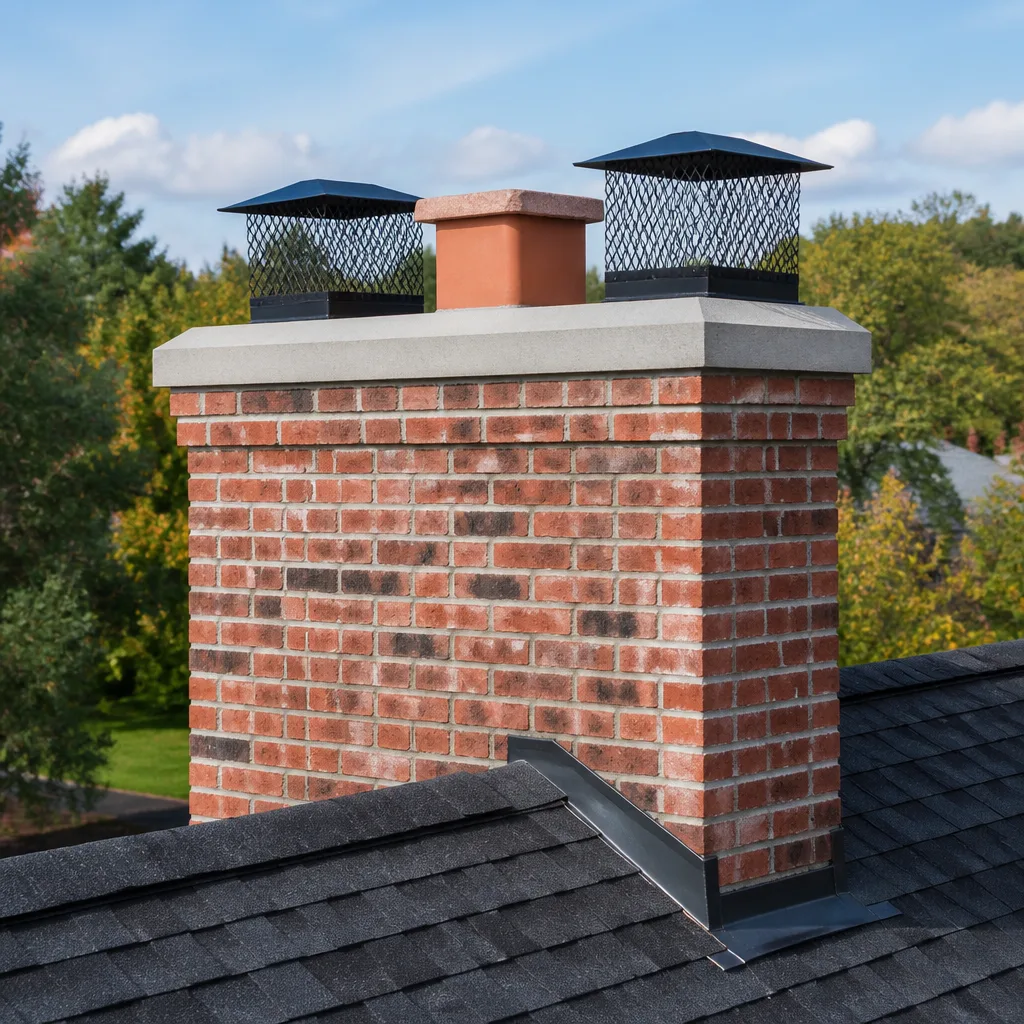
The crown is the concrete slab that tops the chimney, sloped to shed water. It is not the same as the cap. A proper crown overhangs the brick by at least 2 inches and has a drip edge underneath. Check for:
- Cracks wider than 1/16 inch, which admit water that freezes and expands
- Crown material that is separating from the brick edge below it
- Ponding or flat areas where water sits instead of shedding
- Evidence of previous patching that has failed (different color material, new cracks through the patch)
In Shelton, we see accelerated crown deterioration in homes within a mile of the Housatonic River due to higher ambient humidity and more frequent fog cycles. A crown in poor condition is not a “wait and see” item. Water entering through the crown saturates the masonry below, and when that water freezes, it spalls brick faces and destroys mortar joints from the inside out.
The cap:
The cap is the metal cover that protects the flue opening. It should have:
- Mesh sides with 3/4-inch openings, not solid sides that trap moisture
- Intact seams and no rust-through at the lid
- Proper clearance above the flue tile (typically 5 inches minimum)
- Secure attachment that does not lift in wind
Cap screens clogged with leaves or creosote reduce draft and can cause smoke backup. After the October leaf drop in Shelton’s oak-heavy neighborhoods, cap screen clearing is a homeowner task that prevents a professional call.
The flashing:
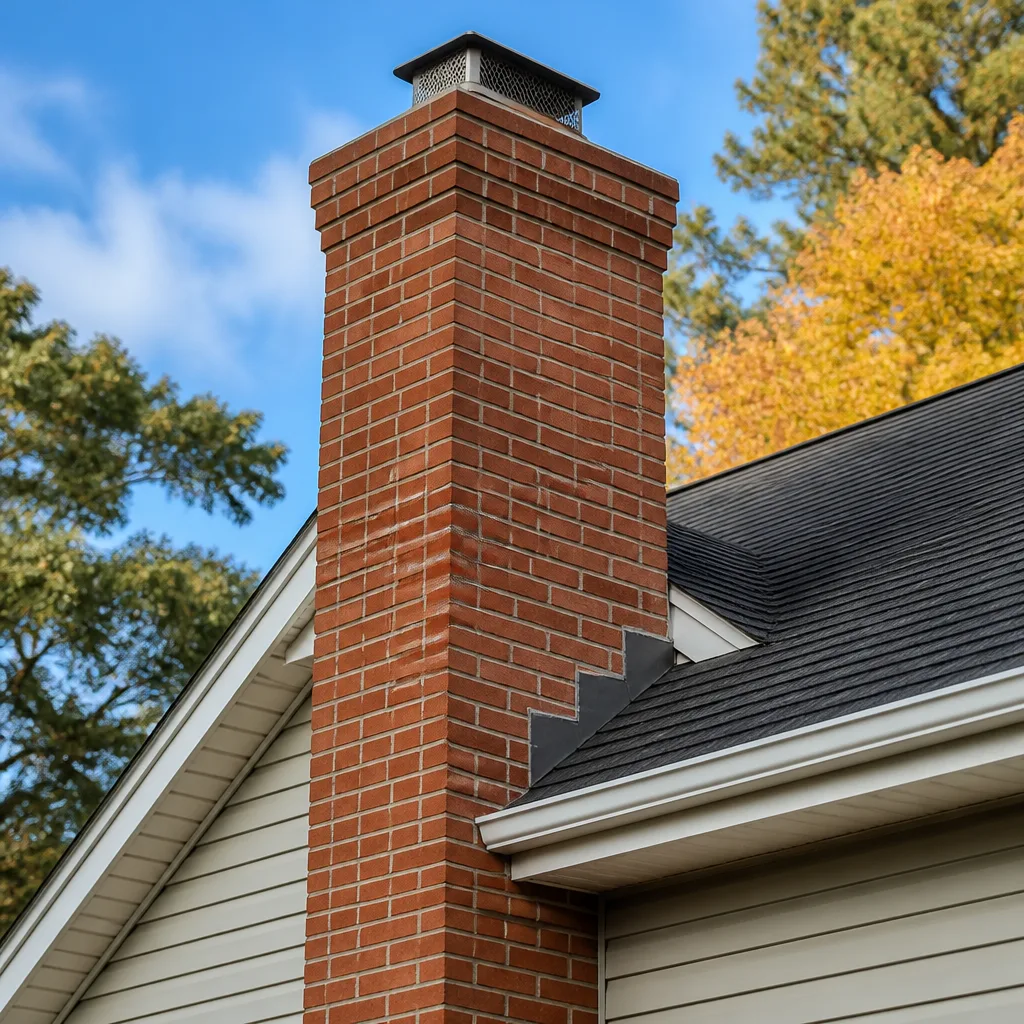
Flashing is the sheet metal intersection between chimney and roof. It is the most technically demanding detail on any chimney and the most common source of leaks. Proper flashing has two components: step flashing woven into the shingles and counterflashing embedded into the mortar joints. Check for:
- Lifted or separated counterflashing from the brick
- Rust holes or separated seams in the metal
- Caulk or tar used as a substitute for proper metal work
- Staining on the roof sheathing visible from the attic
Tar or caulk on flashing is a red flag. It means someone already tried the cheap fix and it failed. Proper flashing repair requires removing the counterflashing, installing new step flashing, and re-embedding counterflashing into reground mortar joints. We use Copperfield and Gelco flashing components on our Shelton jobs because they hold up to the salt air that drifts inland from Long Island Sound during winter storms.
Verdict guidance: A cracked crown or deteriorated cap is hold, schedule before the heating season. Flashing failure with active leaking is stop-use until repaired, because water damage compounds rapidly and can affect roof structure.
Creosote Staging & The Stop-Use Verdict
Creosote is not just “soot.” It is a combustible deposit that builds in stages, and each stage requires a different response. A sweep who reports “you have creosote” without stating the stage has told you almost nothing useful.
Stage One: Fluffy, light-colored soot that brushes off easily. Normal accumulation from clean-burning fires with dry, seasoned hardwood. Pass. Schedule next annual sweep.
Stage Two: Shiny, black, hardened flakes that look like tar. Requires mechanical removal with chains or rotary tools, not just brushing. This is the stage where chimney fires begin. Hold. Schedule professional removal before next use, and review your burning practices.
Stage Three: Glazed, hardened coating that is nearly impossible to remove without aggressive mechanical action. This is fuel for a rapid, destructive chimney fire. Stop-use. Do not burn until professionally removed. In some cases, the liner has been so compromised by prior overheating that replacement is necessary.
Shelton-specific burning factors: Homeowners in wooded areas of Shelton, particularly near the Shelton Lakes Recreation Path, often burn wood they have cut themselves. Wood cut within the past year, even from dead trees, typically has 40-50% moisture content. It should be split, stacked with airflow, and seasoned 12-18 months before burning. Burning unseasoned wood in Shelton’s humid summers virtually guarantees stage two creosote in a single season.
We document creosote stage with photos during every Chimney Cleaning & Sweep in Shelton. The homeowner receives the images and a written stage assessment. If a sweep will not show you photos of your own flue, that is a reason to call someone else.
Seasonal Tasks: Homeowner vs. Professional
Some maintenance belongs to the homeowner. Some requires a licensed sweep with proper equipment. Confusing the two is how preventable problems become expensive repairs.
Homeowner tasks:
- Late September, before first fire: Visually inspect the cap and screen from ground level or a secure ladder. Clear leaves and debris. Confirm the damper opens and closes. Check that your smoke and carbon monoxide detectors function.
- After significant leaf fall (typically mid-October in Shelton): Re-check cap screen. Oak and maple leaves can pack tightly enough to restrict draft.
- After ice storms or high wind events: Inspect the cap for displacement or damage. Ice accumulation in January 2024 displaced caps across the Naugatuck Valley region; we responded to a dozen calls in Shelton and Derby the following week.
- Mid-season, January: Check the firebox for unusual cracking or mortar loss that may have developed since your sweep. Look for water staining that could indicate a new leak.
- End of burning season, March-April: Close the damper to prevent conditioned air loss. Schedule your annual sweep for late spring or summer, when appointment availability is better and any repairs can be completed before the next heating season.
Professional tasks:
- Level-2 camera inspection of the full flue and smoke chamber
- Creosote removal, particularly stage two and three
- Liner repair or replacement using DuraFlex or HeatShield materials
- Crown repair or replacement with proper concrete mix and reinforcement
- Flashing repair or replacement
- Smoke chamber parging
- Fireplace insert installation and connection
The dividing line is simple: if it requires going on the roof, entering the flue, or modifying the structure, it requires a professional. Connecticut does not license chimney sweeps at the state level, but CSIA certification and proper insurance are minimum qualifications to demand.
Building Your Maintenance Log for Insurance
After a chimney fire, your insurance adjuster will ask for maintenance records. “I think we had it swept a few years ago” is not a sufficient answer. A proper log protects your coverage and documents due diligence.
What to record:
- Date of each professional sweep or inspection
- Company name and technician name
- Creosote stage found
- Specific findings (with photos if provided)
- Repairs recommended and whether completed
- Pass, hold, or stop-use verdict for the season
Format: A simple three-ring binder or digital folder works. The key is consistency. After each visit from Hearthstone Chimney Co., you receive a written report with photos and our plain-English verdict. File it. If you ever need to demonstrate responsible maintenance, this documentation is your evidence.
In Shelton, we have worked with homeowners whose insurance companies initially denied claims for fire damage, then reversed after review of proper maintenance logs. One case in the Booth Hill area involved a liner failure that the insurer initially attributed to neglect; the homeowner’s four years of documented annual inspections with photo reports reversed that determination.
Connecticut insurance policies vary, but most require “reasonable maintenance” for chimney-related coverage. Reasonable maintenance means annual inspection by a qualified professional for wood-burning systems, and documented response to any hold or stop-use findings. Your log proves you met that standard.
The Pass/Hold/Stop-Use Decision Key
This is the core of the checklist. Every finding gets one of three verdicts. No vague language. No “we’ll keep an eye on it.”
| Finding | Verdict | Action Required |
|---|---|---|
| Stage one creosote, intact liner, sound masonry | PASS | Safe to burn. Schedule next annual sweep. |
| Stage two creosote | HOLD | Schedule professional removal before next use. Review burning practices. |
| Stage three creosote, any flue obstruction, or breached liner | STOP-USE | Do not burn until professionally repaired. Risk of chimney fire or CO intrusion. |
| Cracked firebrick, minor mortar loss | HOLD | Schedule repair within current heating season. |
| Damaged or missing hearth extension | STOP-USE | Fire hazard to combustible flooring. Repair before use. |
| Sticking or warped damper | HOLD | Repair or replace for proper draft control and air sealing. |
| Crown cracks under 1/8 inch, no active leaking | HOLD | Schedule crown repair before next winter. |
| Crown failure, active water intrusion, or spalling brick | STOP-USE | Water damage compounds rapidly. Full assessment and repair needed. |
| Flashing with prior tar repair, no active leak | HOLD | Schedule proper metal flashing repair. |
| Active flashing leak, attic staining, or interior water damage | STOP-USE | Address water intrusion before using fireplace; moisture and heat accelerate damage. |
| Cap screen clogged, cap intact | HOLD | Homeowner can clear screen. Verify draft before next fire. |
| Missing or displaced cap | STOP-USE | Water and animal entry risk. Replace before use. |
Use this key after every inspection, professional or self-conducted. If you are uncertain which verdict applies, default to the more conservative choice and call for assessment.
Common Mistakes to Avoid
- Assuming a “clean” firebox means a clean flue. The firebox is easy to see and easy to clean. Creosote accumulates in the flue, on the smoke shelf, and in the smoke chamber, none of which are visible without proper equipment. We have found stage three creosote in flues with spotless fireboxes.
- Accepting a verbal report without photos. A sweep who will not document findings with images you can see is asking for trust they have not earned. Our Level-2 inspections end with photos and a plain-English verdict, documented like an engineer, explained like a craftsman.
- Waiting for water stains inside before addressing crown or flashing. By the time water shows on interior plaster or drywall, the damage behind it is extensive. In Shelton’s freeze-thaw climate, a small crown crack in October becomes spalled brick and compromised mortar by March.
- Burning with a damaged liner because “it still drafts fine.” Draft is not the issue. The liner contains heat and sparks and prevents creosote from accumulating in the chimney walls. A breached liner is a structure fire waiting for the right conditions.
- Using the cheapest sweep available. Price-cutting operations often skip the roof, skip the camera, and brush out the firebox while leaving the actual hazards untouched. The difference between a $99 sweep and a proper inspection is the difference between thinking you are safe and knowing it.
- Neglecting the maintenance log. Insurance adjusters and home inspectors ask for documentation. Homeowners with organized records recover faster and more completely when problems arise.
- Assuming new construction means no problems. We have found construction debris, improperly terminated flues, and unlined chimneys in Shelton homes built within the past five years. The building boom near the Route 8 corridor has produced some shortcuts that only a thorough inspection reveals.
When to Call a Professional
Call a CSIA-certified sweep when you encounter any stop-use verdict, when you cannot determine the creosote stage yourself, when you smell smoke or combustion odors in rooms other than the fireplace location, or when you have changed your heating appliance and need the chimney evaluated for proper sizing and liner compatibility. In Shelton, Hearthstone Chimney Co. offers free estimates with no obligation, and a live person answers the phone twenty-four hours a day. Call (475) 265-6822. We will give you a plain assessment, photos you can see, and a written verdict you can file. If work can safely wait, we will say so. Done right, and we stand behind it.
Frequently Asked Questions
A Level-1 sweep and basic inspection in the Shelton area typically runs $150 to $250, while a Level-2 inspection with camera and photo documentation ranges from $250 to $400 depending on chimney height and accessibility. Hearthstone Chimney Co. offers an $89 Seasonal Tune-Up for qualifying systems, and we provide no-hassle upfront pricing so the number on the estimate is the number on the invoice. Call (475) 265-6822 for an exact quote; estimates are free.
The National Fire Protection Association Standard 211 recommends annual inspection for all chimneys, and sweeping as needed based on creosote accumulation. For wood-burning systems in regular use, that typically means annual sweeping. In Shelton, where many homeowners burn as a primary heat source from November through March, annual sweeping is the minimum. Homes with pellet stoves, gas inserts, or occasional decorative use may have different intervals; a professional inspection determines the appropriate schedule for your specific system.
You should never accept a liner recommendation without photographic evidence of the damage and a clear explanation of why repair is insufficient. At Hearthstone Chimney Co., we show you the photos, explain the code requirement, and tell you plainly when a repair with HeatShield refractory coating is adequate versus when full DuraFlex stainless steel liner replacement is necessary. If a sweep cannot or will not show you the problem, that is reason to get a second opinion, which we provide free on any written estimate.
Skipped maintenance leads to creosote accumulation, which leads to chimney fires that damage liners, crack masonry, and can extend to the structure of the house. Water intrusion from neglected crowns and flashing causes mortar failure, spalled brick, and eventual chimney rebuilds that cost ten to twenty times what preventive maintenance would have. In Connecticut, chimney fires peak in January and February, typically in systems that were not inspected the prior fall. The risk is real, measurable, and preventable.
Homeowners can perform the seasonal tasks outlined in this guide: cap screen clearing, visual inspection, and damper operation checks. However, creosote removal from the flue, smoke shelf, and smoke chamber requires proper brushes, rods, and vacuum equipment, and stage two or three creosote requires mechanical removal tools that are not available to consumers. More importantly, a proper inspection requires a camera to see what brushing alone cannot reveal. For safety and for insurance documentation, professional service is the sound choice.
Chimney construction and maintenance in Shelton falls under the Connecticut State Building Code, which adopts the International Residential Code with state amendments. Key requirements include proper liner installation, adequate clearance to combustibles, and functional spark arresters. The Shelton Building Department enforces these codes for new construction and major alterations. For existing chimneys, the critical standard is NFPA 211, which insurance companies reference for maintenance requirements. A CSIA-certified sweep inspects to this standard and can identify code deficiencies that affect safety and coverage.
It is our written guarantee that if any aspect of our work is not right, we return and make it right with no paperwork and no arguing. Governed by our K.E.Y.S. values code, Krafted right, Every time, Your home first, Standing behind it, the promise reflects how we have operated for over forty-two years. We put it in writing because a handshake is not enough when you are trusting someone with the safety of your home.
The Bottom Line
A chimney maintenance checklist is only useful if it leads to clear decisions. This one gives you the pre-inspection walkthrough to do before your sweep arrives, the specific items to verify at the firebox, crown, cap, and flashing, the creosote staging that determines your burning safety, and the pass/hold/stop-use verdicts that remove guesswork. Keep a maintenance log. For more guides & resources, visit our blog. Demand photos and written reports. Know which tasks are yours and which require a professional. In Shelton’s climate, water intrusion from above is the hidden threat that quick visits miss, and creosote accumulation is the hazard that develops quietly until it does not. Both are preventable with proper inspection and honest assessment. That is the checklist we have built over four decades in this trade, and it is the standard we apply to every home we serve.
Written by Russell Haines, Owner at Hearthstone Chimney Co., serving Shelton since 2014.