
Last updated September 10, 2026
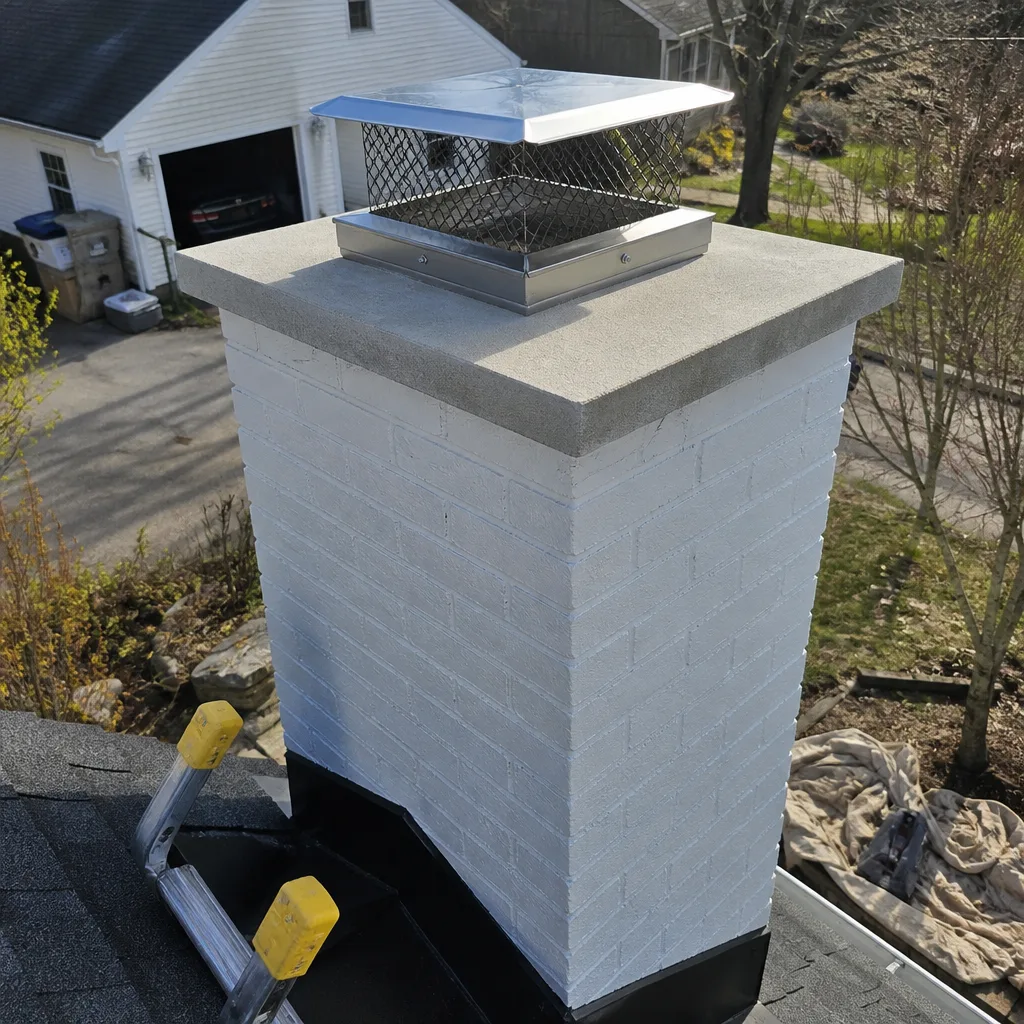
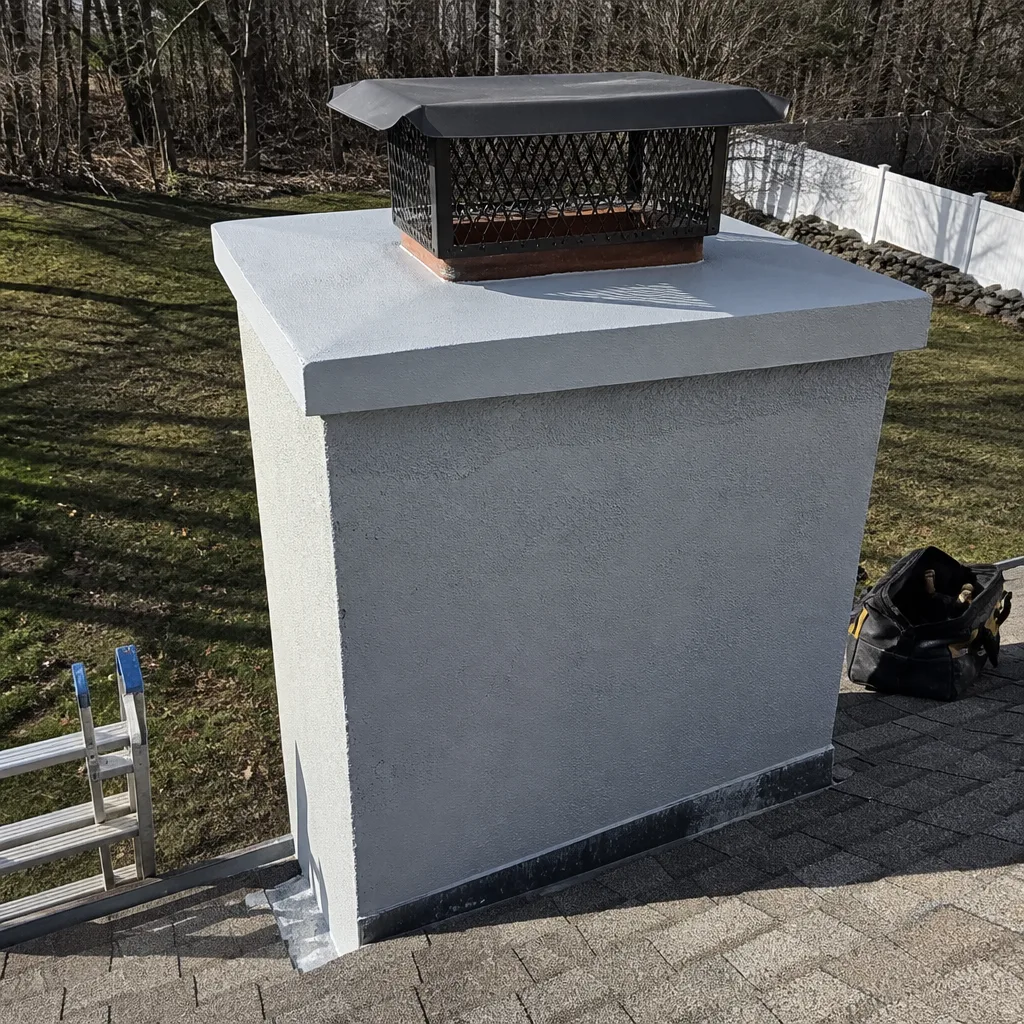
Level 1 sweep and inspection to the NFPA 211 annual standard - flue, crown, cap, and flashing checked and photographed
Chimney sweep logs do not sweep chimneys. They loosen some creosote - which then falls where a brush and vacuum still have to collect it.
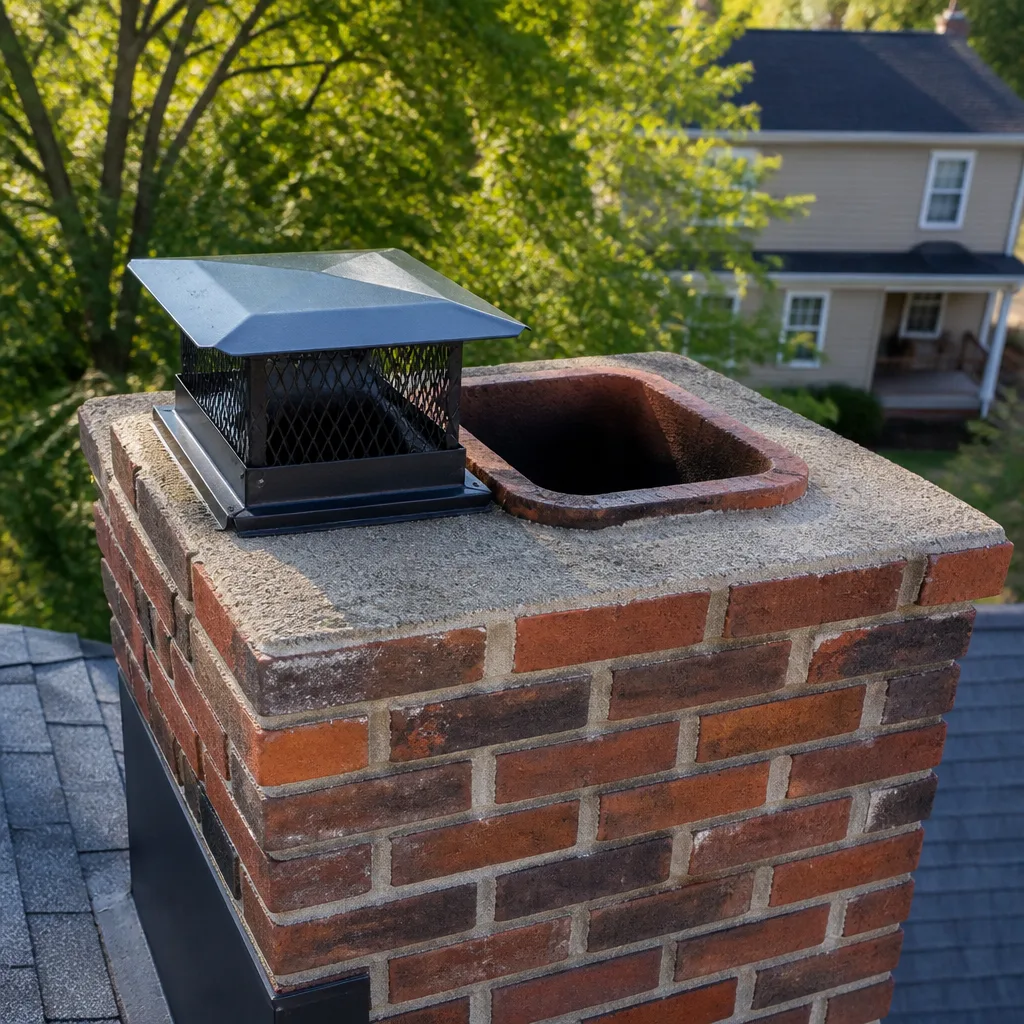
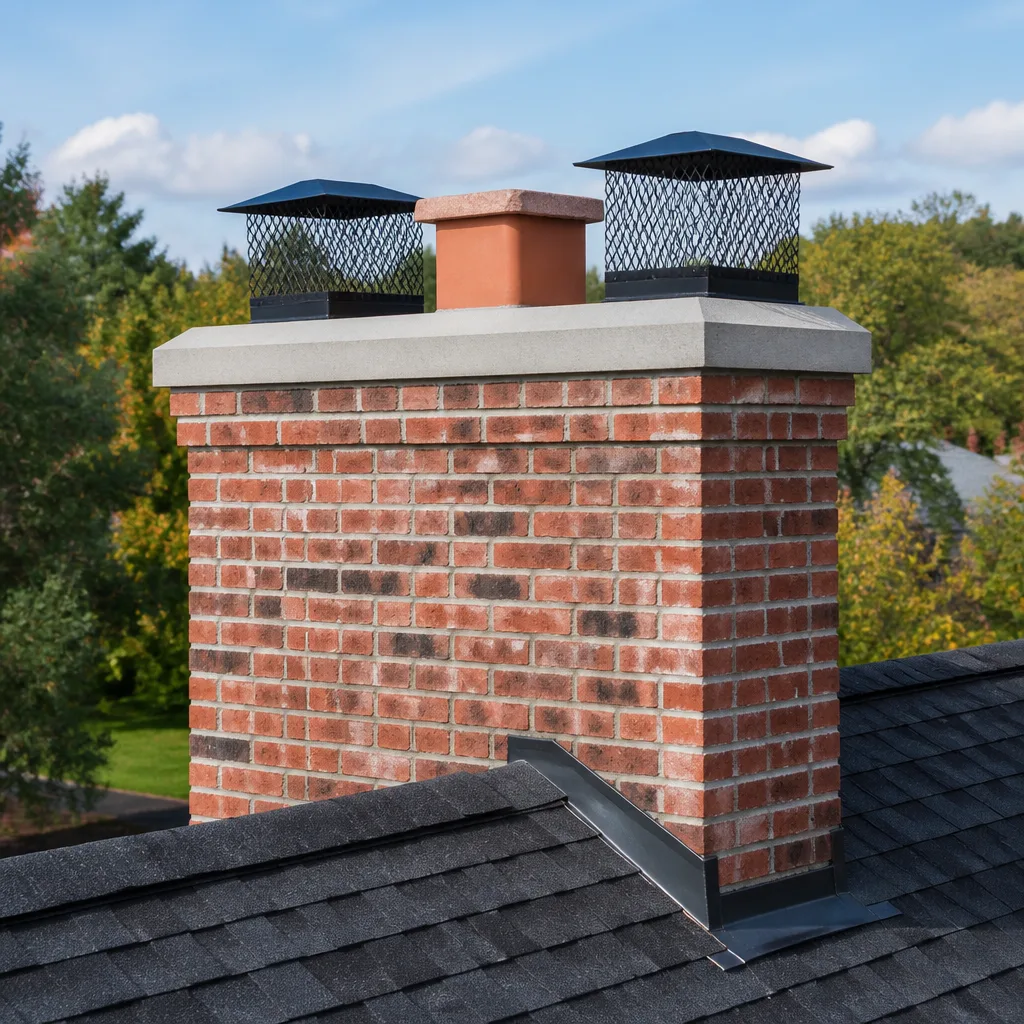
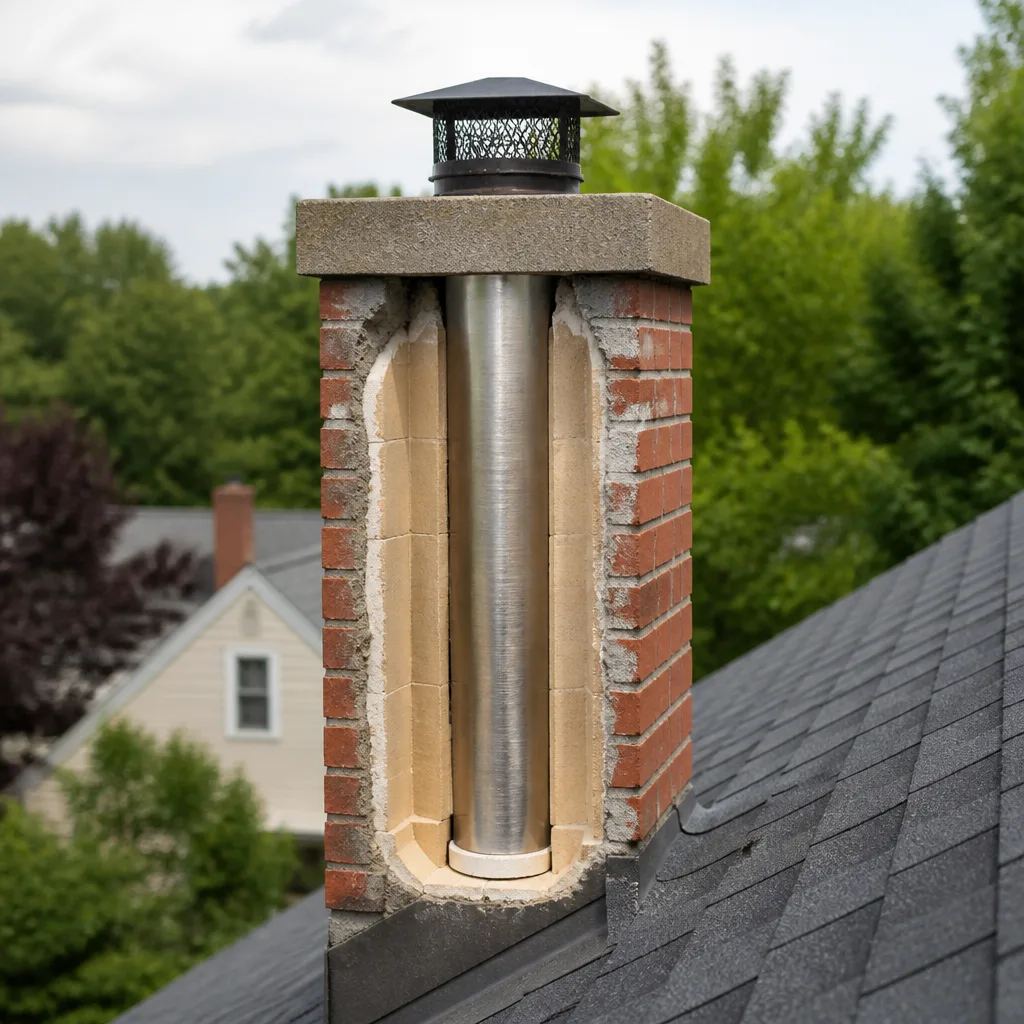
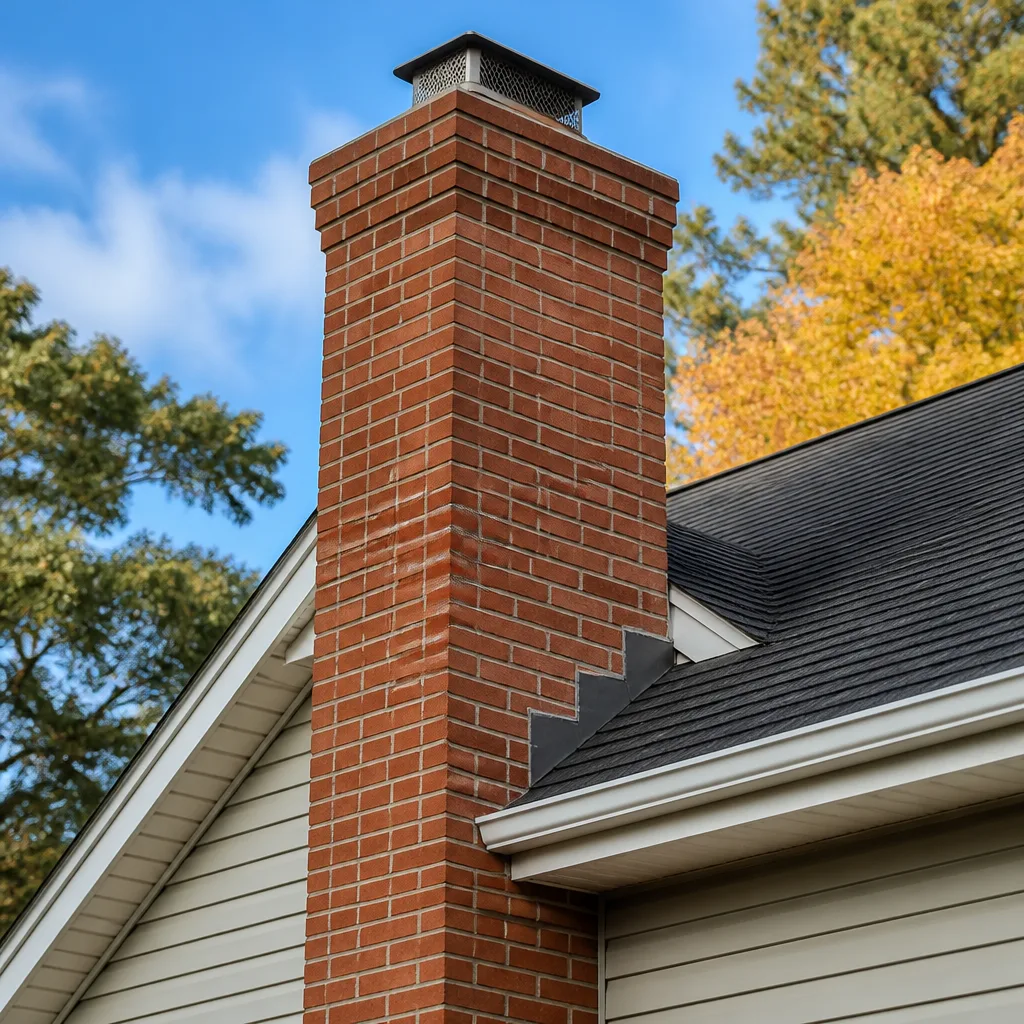
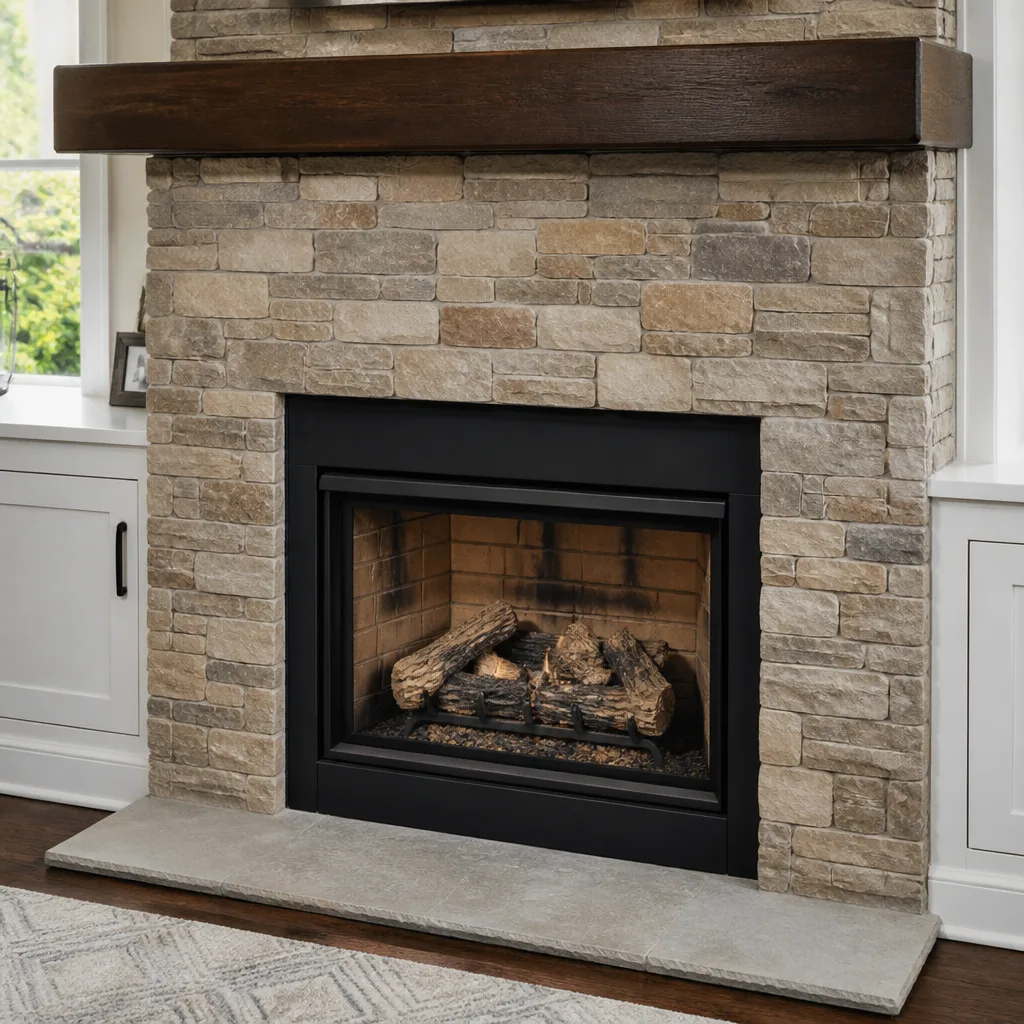
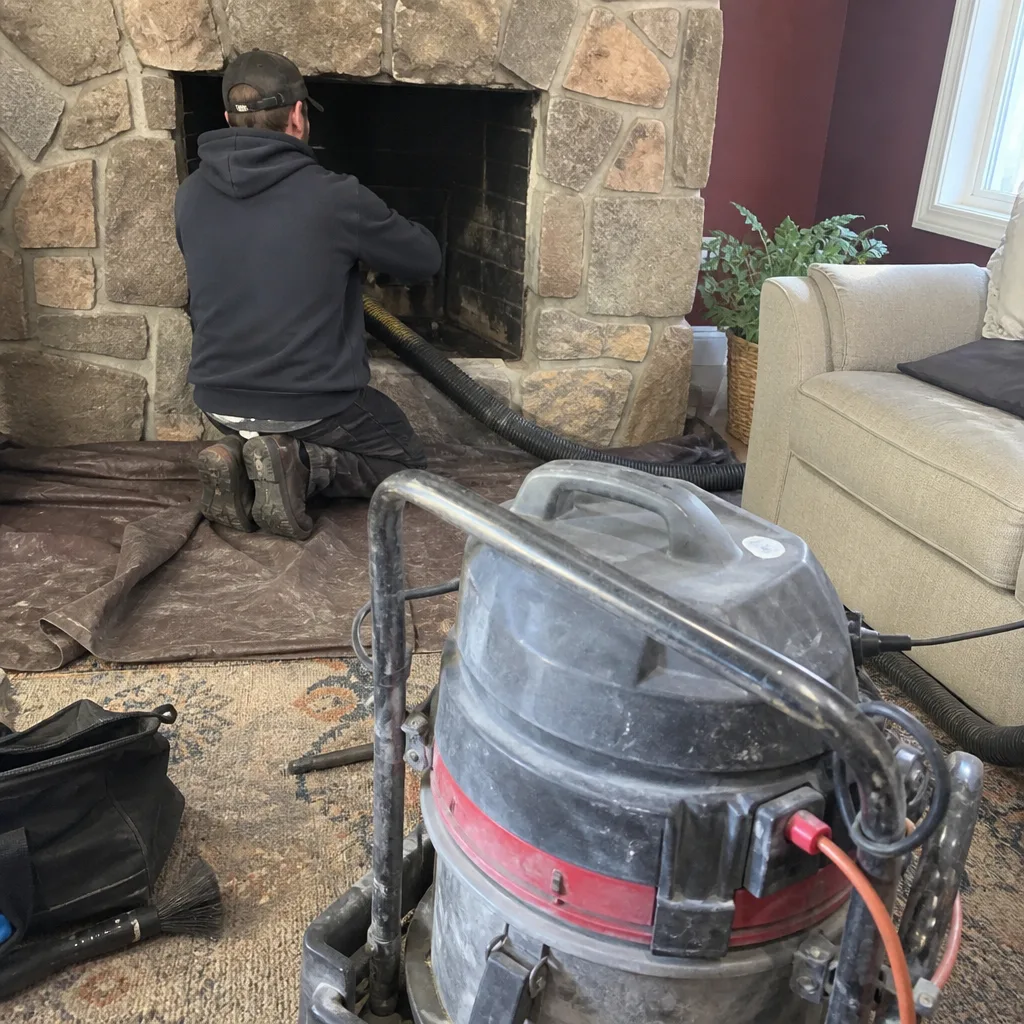 Before
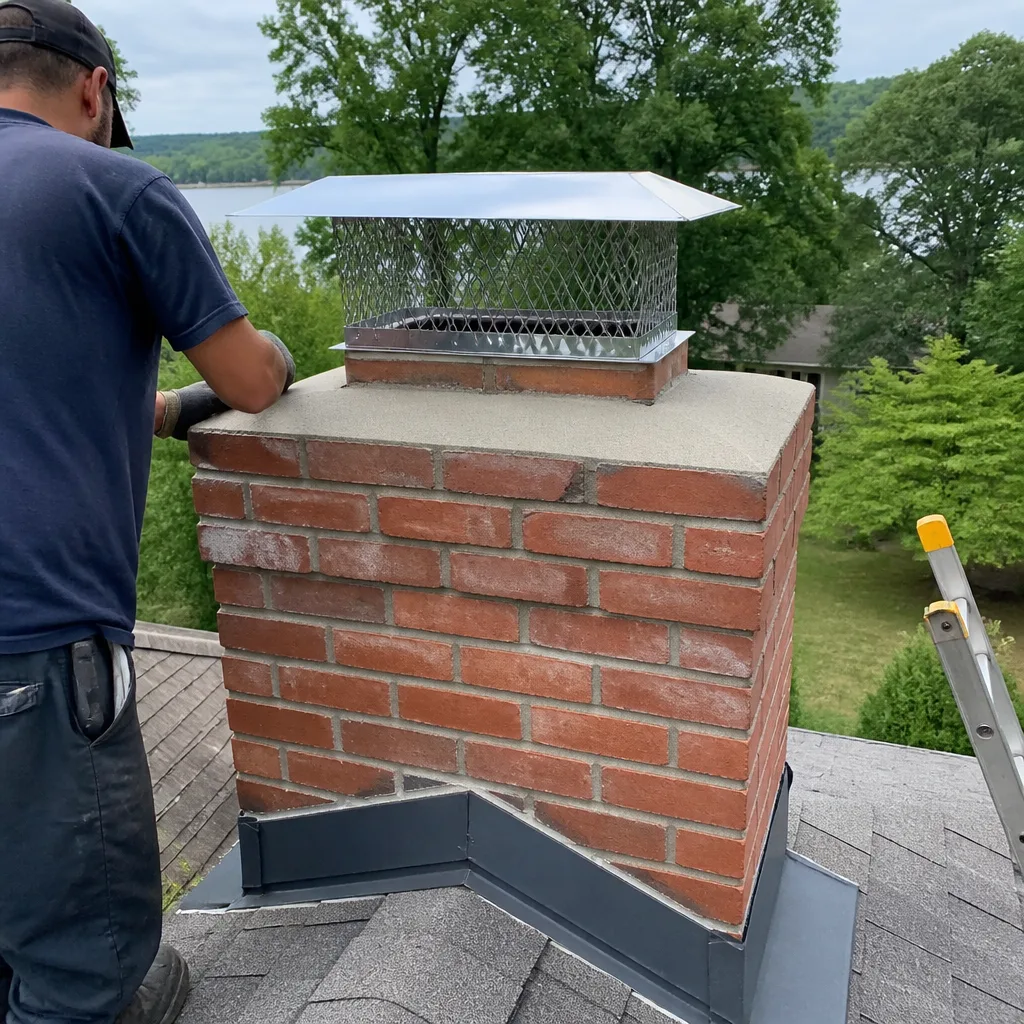 After
After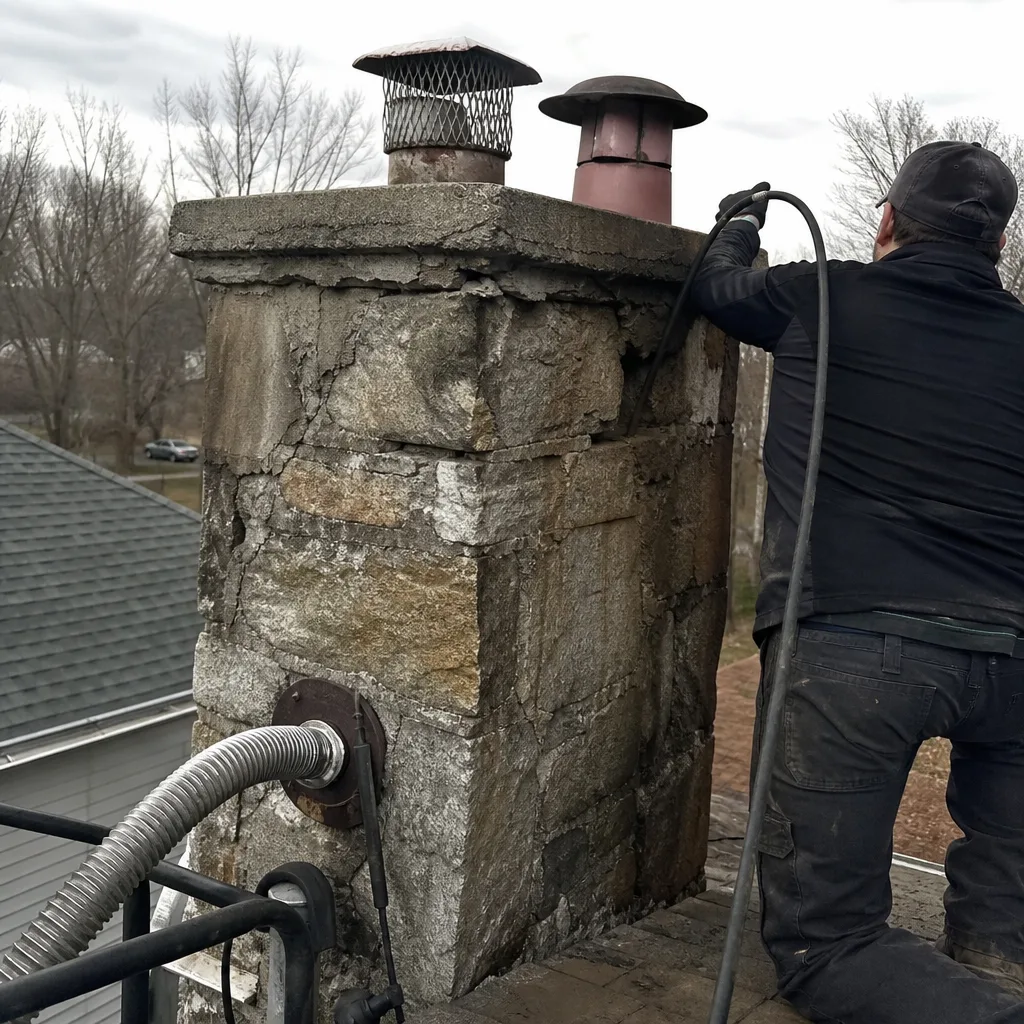 Before
 After
After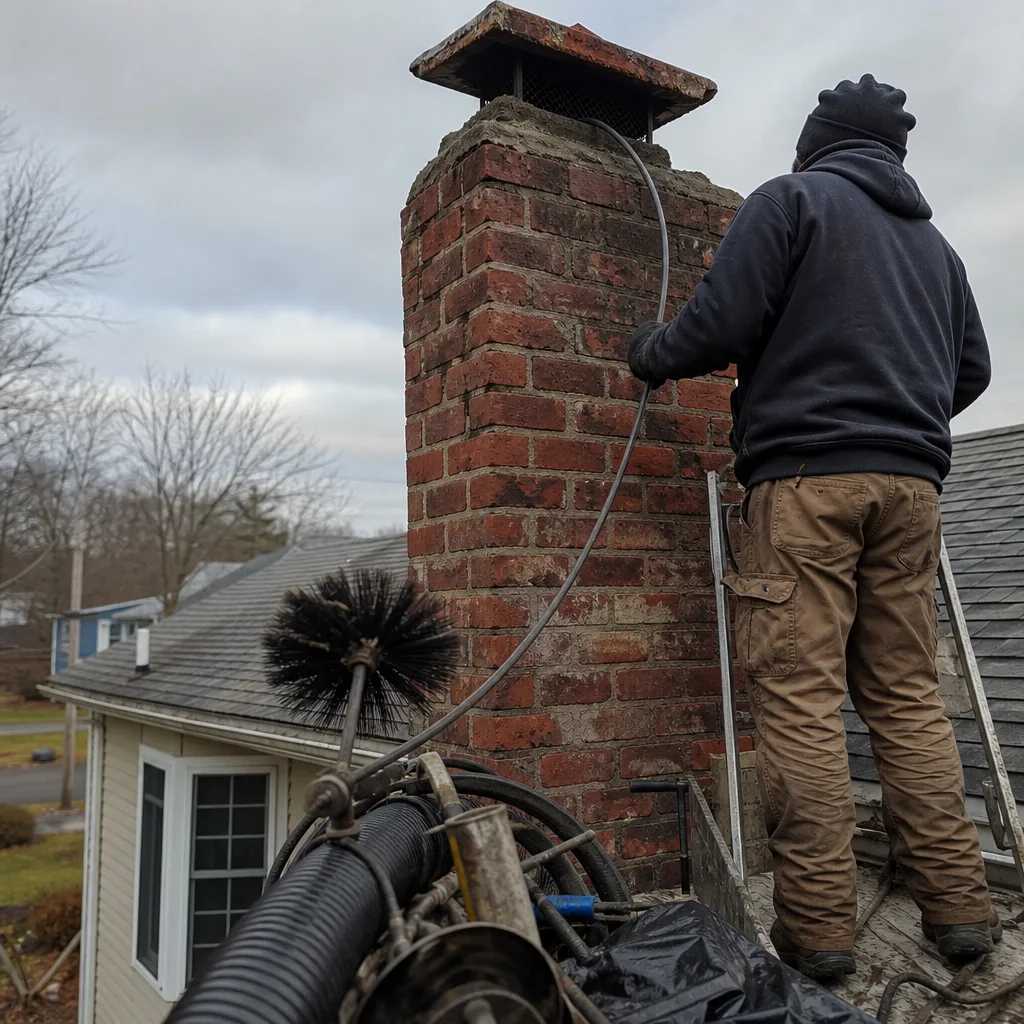 Before
 After
AfterSeasonal Chimney Cleaning Care for Shelton: Year-Round Homeowner’s Guide
The fall rush for chimney cleaning in Connecticut is real, and it means that homeowners who schedule in October are competing for appointments with everyone else who waited - while August appointments are available the same week. In our 42 years serving the Naugatuck Valley, we’ve learned that the homeowners who get the best service and the fairest pricing are the ones who understand their own fireplace usage pattern and time their maintenance to the season that matches it. This guide explains how to read your chimney’s actual condition against Shelton’s wet springs, humid summers, and freeze-thaw winters so you schedule one cleaning visit when it counts, not two when you’re panicking.
Quick Answer
The best time to clean a chimney in Shelton depends on how you burn: heavy winter users should schedule a post-season cleaning in March or April, while occasional users do fine with a pre-season appointment in August or September. For most Shelton homeowners burning oak or mixed hardwoods 3-4 nights per week, a single annual cleaning timed to the end of the heating season prevents creosote hardening and catches winter damage before summer moisture sets in. The key is matching your appointment to your actual usage, not to a calendar date printed on a coupon.
Table of Contents
- How Shelton’s Climate Changes Your Chimney Maintenance Schedule
- Month-by-Month Chimney Care Calendar for Shelton Homeowners
- How Connecticut Firewood Affects Creosote Buildup and Cleaning Frequency
- The Spring Inspection Most Homeowners Skip (And Why It Costs Them)
- Why the October Rush Hurts Your Wallet and Your Chimney
- What Ice and Wind Events Do to Shelton Chimneys
- What You Can Check Yourself Between Professional Visits
- Common Mistakes to Avoid
- When to Call a Professional
- Frequently Asked Questions
How Shelton’s Climate Changes Your Chimney Maintenance Schedule
Shelton sits in the Naugatuck Valley where the Housatonic River creates a microclimate that is wetter and more humid than the state average. This matters for your chimney in ways that generic national advice misses entirely.
Our spring shoulder season runs long. March through May in Shelton brings an average of 4-5 inches of rain per month with humidity regularly climbing above 70 percent. That moisture interacts with creosote deposits in ways that matter for timing your cleaning. Fresh, powdery creosote from a recent heating season absorbs moisture and hardens into a glazed, tar-like coating that is significantly harder to remove. Wait until October to clean last winter’s buildup, and you’re asking a sweep to scrape off material that has been curing in humid air for six months.
The late summer humidity poses a different problem. August and September in Shelton often bring dew points above 65 degrees. A chimney that was not properly cleaned in spring now has hardened creosote plus summer moisture infiltration through any crack or gap in the crown or flashing. When the first fire of October warms that material, you get accelerated chemical changes in the deposit layer plus steam pressure in any trapped moisture pockets.
Our freeze-thaw cycle is the hidden damage engine. Shelton typically sees 20-30 freeze-thaw cycles per winter where temperatures swing across 32 degrees within a 24-hour period. Each cycle forces water in masonry pores to expand and contract. A crown with hairline cracks in March becomes a crown with separations by April. The limestone and sandstone masonry common in Huntington and White Hills neighborhoods is particularly susceptible to this spalling damage.
The practical implication: a chimney cleaned and inspected in late winter or early spring gives you two advantages. First, the creosote is still in its softer, more removable state. Second, any winter damage is caught before spring rains and summer humidity accelerate it. For homeowners in the Pine Rock neighborhood or along the river where humidity runs even higher, this timing difference can mean the choice between a routine cleaning and a repair call.
We document every inspection with photos and a plain-English verdict, and in our experience, the chimneys we see in April show damage that is weeks old and localized. The chimneys we first see in October often show damage that has been worsening since March, with moisture intrusion that has spread.
Month-by-Month Chimney Care Calendar for Shelton Homeowners
This calendar is built for Shelton’s actual weather patterns, not a generic template. Adjust based on your specific neighborhood - river-adjacent properties in Sunnyside see more humidity, while elevated homes in White Hills see more wind exposure.
January-February: Deep Winter Burning
Your chimney is working hardest now. Check your fireback and damper operation weekly. If you notice smoke spillage into the room, drafting problems, or unusual odors, stop using the fireplace and call for inspection - these are not “winter quirks” in a properly functioning system. After any significant ice storm, do a ground-level check of your cap and flashing from the yard with binoculars. Do not climb on an icy roof.
March-April: Post-Season Cleaning Window (Optimal for Heavy Users)
Schedule your annual cleaning now if you burned more than three nights per week during winter. The creosote is still soft, appointment availability is good, and pricing is typically at seasonal lows. This is also when we perform our chimney cleaning and sweep in Shelton with full Level-2 camera inspection to document winter damage before spring rains begin.
Specific tasks for this window:
- Schedule professional cleaning and Level-2 inspection with photo documentation
- Have the technician check damper seal and operation for summer closure
- Verify cap screen is clear of nesting debris from early spring activity
- Request condition assessment of crown, flashing, and visible masonry
- Receive written report with photos before any moisture events
May-June: Moisture Management
Open your damper slightly - about one-quarter open - to allow air circulation through the flue during humid months. This prevents stagnant, moist air from sitting in the flue and accelerating corrosion of metal components or musty odor development. A closed damper in a humid Shelton summer traps moisture against metal surfaces. A fully open damper invites downdrafts and debris. The quarter-open position is the compromise that works in our climate.
Check your chimney exterior after any severe thunderstorm. Look for new cracks in the crown, displaced flashing, or mortar washout at the base. In our experience, the May-June storm period in the Naugatuck Valley causes more sudden water intrusion calls than any other time except March ice events.
July-August: Pre-Season Preparation (Optimal for Light Users)
If you burned fewer than two nights per week last winter, or use your fireplace only for holidays and special occasions, this is your optimal scheduling window. The creosote layer is thin and easily removed, and you’re ahead of the October rush. Many Shelton homeowners in the Booth Hill area with gas log sets or occasional wood use find August appointments available within a few days.
This is also when to address any deferred maintenance from spring. If your inspection revealed crown cracks or flashing gaps, having the repair done in dry summer weather ensures proper curing of sealants and masonry materials. We use professional-grade materials from HeatShield and Gelco for crown and flashing repairs, applied when humidity and temperature allow proper bonding.
September-October: The Rush Period
If you must schedule now, book early in September. By mid-October, appointment lead times in Shelton typically stretch to 3-4 weeks for reputable companies. The urgency is understandable - first cold snap, first fire - but the timing is economically and technically suboptimal for most homeowners. You’re paying peak-season rates to remove hardened creosote and competing for appointment slots with everyone who delayed.
November-December: Active Heating Season
Maintenance during active burning season is limited to monitoring and emergency response. If you did not schedule cleaning and now notice performance issues, call rather than continue using a potentially obstructed or damaged system. A live person answers our phones 24 hours a day, 7 days a week for exactly these situations.
How Connecticut Firewood Affects Creosote Buildup and Cleaning Frequency
The wood you burn in Shelton is not interchangeable, and it directly determines how quickly your chimney needs cleaning. This is a point most competitors gloss over with generic “burn seasoned wood” advice.
Oak, which is abundant in Connecticut’s hardwood forests and commonly available from local suppliers in Monroe and Oxford, burns hot and slow with a dense, coaling fire. Properly seasoned oak (moisture content below 20 percent) produces minimal creosote when burned with adequate air supply. A homeowner burning exclusively seasoned oak 3-4 nights per week typically needs annual cleaning. The same usage with unseasoned or partially seasoned oak pushes that to twice annually.
Softwoods - pine, spruce, fir - are often cheaper and more available as storm-fall or construction scrap in Shelton. They burn fast, hot, and with more volatile compounds in the smoke. The common myth that softwoods “cause dangerous creosote” is imprecise. What they cause is more rapid buildup of a different creosote composition: lighter, fluffier, more easily ignited. A chimney burning softwood needs cleaning more frequently - often every 50-60 fires versus 80-100 for oak - but the material is actually easier to remove when caught early.
Mixed hardwoods - maple, birch, beech - fall between these extremes. Many Shelton homeowners burn whatever is available, creating variable buildup patterns that make fixed calendar schedules unreliable.
The practical rule we use: count your fires, not your months. A cord of seasoned oak in a typical Shelton fireplace represents roughly 80-100 firing hours. A cord of mixed or softwood represents 50-70 firing hours before cleaning is due. Track your usage, note your wood species, and schedule cleaning based on accumulated burn time rather than calendar date. This is how you avoid both unnecessary cleanings and dangerous overuse.
For homeowners using manufactured logs like DuraFlame or compressed sawdust products, the rules change again. These burn very cleanly with minimal particulate matter, but some formulations contain waxes that can deposit differently. Check manufacturer specifications and still schedule annual inspection - the inspection catches non-creosote issues like cap damage or liner deterioration that cleaning frequency rules miss.
The Spring Inspection Most Homeowners Skip (And Why It Costs Them)
We see it every June: the call from a Shelton homeowner who noticed water stains on the ceiling near the chimney in May, ignored them through a busy June, and now in July has rotted sheathing and a $2,400 repair instead of a $340 crown seal. The spring inspection that would have caught this was skipped because “we just had it cleaned in October.”
October cleaning catches pre-season condition. It does not catch post-winter damage. The damage that matters for summer water intrusion happens during winter.
Here is what we inspect in our post-heating-season visits that the October visit cannot possibly catch:
- Crown cracking from freeze-thaw: Hairline cracks visible in March widen with each cycle. By May, they’re pathways for rainwater. We document crown condition with photos and recommend HeatShield crown seal application when cracks exceed 1/16 inch.
- Flashing separation: Ice damming and thermal cycling loosen step flashing where chimney meets roof slope. Spring rains find these gaps immediately. Caught in March, it’s resealing. Caught in August, it’s often sheathing repair.
- Cap screen blockage: Spring nesting season brings squirrels, starlings, and the occasional raccoon to warm chimney tops. A screen clear in October is often partially obstructed by May. The resulting draft reduction is a carbon monoxide risk and a fire hazard.
- Damper corrosion: A full winter of open-close cycles plus spring humidity reveals damper plate pitting and frame rust that was not visible in dry October.
- Interior flue spalling: Freeze-thaw damage to terra cotta flue liners shows as spalled flakes in the flue bottom. These flakes indicate liner degradation that will worsen with next season’s heat stress.
The one spring task that most homeowners skip is this post-heating-season cap and crown inspection. It prevents the majority of summer water damage calls we receive. The inspection takes 30 minutes with a camera. The repair, if needed, is typically under $500 when caught early. The average water damage remediation we perform in July, when the homeowner finally notices the stain, runs $1,800-$3,400.
Our recommendation: even if you cleaned in October, schedule a brief exterior inspection in April. We offer this as a standalone service, or bundle it with gutter cleaning many Shelton homeowners are already scheduling. The cost is modest. The protection is substantial.
Why the October Rush Hurts Your Wallet and Your Chimney
The psychology is understandable. First cold night, first impulse to light a fire, sudden memory that the chimney probably needs attention. But the October rush creates problems that are economic, technical, and sometimes dangerous.
Economically, demand concentration drives pricing. Chimney service companies in the New Haven County area see 40-50 percent of annual booking requests in a six-week window from late September through early November. Basic supply and demand means less flexibility on pricing, less availability for preferred appointment times, and more pressure to book quickly without comparison. At Hearthstone Chimney Co., we maintain consistent year-round pricing, but we cannot manufacture additional appointment slots. An August call gets your choice of Tuesday morning or Thursday afternoon. An October call gets “we have something in three weeks, or an emergency rate if you need sooner.”
Technically, the October cleaning is removing creosote that has hardened through a humid Connecticut summer. The difference in sweep time between March-softened and October-hardened creosote is 30-40 percent for typical buildup. More time on the job, more wear on equipment, more difficulty in complete removal. For glazed creosote that has fully cured, rotary mechanical methods may be required where a spring cleaning would have used standard poly brushes.
The dangerous aspect: rushed scheduling leads to skipped inspections. A homeowner desperate for a pre-Thanksgiving appointment may accept “just the sweep” without the Level-2 camera inspection that would reveal cracked flue tiles, deteriorated mortar joints, or improper clearances. We’ve found active safety hazards in chimneys that were “swept last year” by companies working too fast in October to inspect properly.
The alternative is simple. If you burned heavily last winter, clean in March or April. If you burned lightly, clean in August or September. Either way, you avoid the rush, get better pricing availability, and deal with creosote in its most removable state. Done right - and we stand behind it.
What Ice and Wind Events Do to Shelton Chimneys
Shelton’s location in the Naugatuck Valley creates specific winter weather patterns that affect chimneys differently than coastal or hilltop Connecticut properties. Understanding these helps you know what to check after each significant event.
Ice storms and freezing rain: The valley traps cold air while warmer air aloft creates icing conditions. Ice accumulation on cap screens restricts draft and can completely block flue gases. After any ice storm, verify your fireplace draws properly before lighting a fire. A smoke-filled room is not a draft problem to troubleshoot - it’s an emergency to ventilate and call for inspection.
Wind exposure from the west and northwest: Prevailing winter winds in Shelton come across open land to the west, accelerated by valley terrain. Chimneys on the west side of homes, or on elevated properties in White Hills, see sustained wind pressure that can damage cap mounting, loosen flashing, and in extreme cases cause structural movement in tall, unreinforced stacks. After any wind event with gusts above 45 mph, do a ground-level inspection of cap security and flashing edges.
Freeze-thaw cycling: As noted earlier, this is the chronic damage mechanism. The specific pattern in Shelton involves rapid temperature swings as valley fog clears to bright sun, or as warm fronts replace cold air masses. Masonry that was -5°F at dawn and 40°F by afternoon undergoes stress that accumulates over seasons. Look for mortar joint receding, brick face spalling (the surface popping off), and crown surface crazing.
Snow load and melt patterns: Heavy snow on roof slopes creates uneven melt where chimney mass conducts heat. This contributes to ice dam formation at the chimney-roof intersection, which forces water under flashing. The resulting leaks often appear as interior stains that are misdiagnosed as crown or masonry leaks. Proper inspection requires distinguishing snow-melt intrusion from capillary moisture - something our camera inspection and moisture meter testing addresses.
After each significant winter weather event, perform this three-point check from the ground:
- Cap present and upright, screen visible and unobstructed
- Flashing edges seated against chimney and roof surfaces, no visible gaps or lifted sections
- No new mortar debris or brick fragments at chimney base indicating spalling or joint failure
Any anomaly in these checks warrants professional inspection before the next fire. We answer calls 24 hours a day, 7 days a week for post-storm assessments - the live person who answers can triage urgency and schedule appropriately.
What You Can Check Yourself Between Professional Visits
There is a boundary between homeowner maintenance and professional service. We are plain about where it lies, because the consequences of crossing it improperly include house fires and carbon monoxide poisoning.
What you can safely do:
- Visual inspection of cap, crown, and flashing from ground level with binoculars
- Check damper operation - open, close, verify seal when closed
- Remove ashes when cool, leaving 1-inch bed for insulation
- Test smoke and CO detectors monthly
- Monitor fire performance - drafting, smoke spillage, unusual odors
What requires professional equipment and training:
- Any work on the roof, including cap removal or chimney top inspection
- Flue cleaning beyond surface ash removal
- Assessment of flue liner condition, mortar joints, or clearance to combustibles
- Repair or replacement of any component
The high-tension spring systems on some damper mechanisms, the structural considerations of working at height, and the combustion safety knowledge required for proper diagnosis all place these tasks in the professional domain. Our background-checked, uniformed technicians complete most jobs in a single visit with no-hassle upfront pricing.
One specific note for Shelton homeowners with older homes: many properties in the Huntington and Pine Rock areas have masonry fireplaces built before modern liner requirements. These systems may have no liner, a damaged clay liner, or an improperly sized retrofit. Visual inspection from below reveals nothing useful about these conditions. Camera inspection is essential, and it is not a DIY procedure.
Common Mistakes to Avoid
- Scheduling by calendar instead of usage: “Every September” ignores that last winter was mild and you burned half your normal wood, or that you hosted family for three weeks and ran the fireplace nightly. Track firing hours, not months.
- Assuming gas fireplaces need no maintenance: Gas log sets produce corrosive condensation and still require venting system inspection. The ceramic logs themselves degrade and can obstruct proper flame pattern. Annual inspection applies to all fuel types.
- Ignoring the damper in summer: That quarter-open position for ventilation matters in Shelton’s humidity. A fully closed damper traps moist air; a fully open one invites nesting and downdraft debris.
- Using the fireplace when the cap is damaged or missing: Rain, snow, and animal entry are obvious risks, but a missing cap also allows wind-driven downdrafts that can push smoke and CO into living spaces. This is not a “wait until spring” issue.
- Accepting a sweep without inspection: Cleaning without camera documentation is janitorial service, not chimney maintenance. You cannot verify flue condition, liner integrity, or clearance compliance without visual evidence. We provide photos you can see and a plain-English verdict.
- Deferring crown or flashing repair until “next year”: In Shelton’s climate, one winter of water intrusion through compromised crown or flashing typically multiplies repair costs by 3-4x. The $400 repair becomes $1,600 remediation.
- Burning treated wood, pallets, or construction debris: The chemicals in pressure-treated lumber, painted wood, and engineered wood products create toxic deposits and accelerated flue deterioration. This is not a cost-saving measure - it is a chimney destruction method.
When to Call a Professional
Call for professional inspection when you observe any of the following: smoke or odor spillage into the room during operation, visible cracks in the firebox or hearth masonry, white efflorescence staining on exterior chimney surfaces, rust stains at the damper or firebox indicating moisture intrusion, pieces of tile or mortar in the firebox, or any change in fireplace performance after a weather event. Do not operate the system until assessed.
For routine maintenance, call when your accumulated burn hours reach the threshold for your wood type, or annually at minimum regardless of use. For chimney repair in Shelton or fireplace services in Shelton, including liner assessment and crown repair with professional-grade materials from DuraFlex, Olympia Chimney, and Copperfield, contact our office. Hearthstone Chimney Co. offers free estimates in Shelton - call (475) 265-6822. A live person answers every call, 24 hours a day, 7 days a week. We’ll be there when we say.
Frequently Asked Questions
A standard chimney cleaning and Level-2 inspection in Shelton typically ranges from $250-$400 for a single-flue masonry fireplace, depending on creosote condition, accessibility, and whether rotary mechanical cleaning is required for glazed deposits. Multi-flue systems, inserts, and prefabricated units may vary. We provide no-hassle upfront pricing - the number on the estimate is the number on the invoice. Call (475) 265-6822 for an exact quote; estimates are free.
You should never accept a liner recommendation without photographic evidence you can see for yourself and a plain explanation of the specific defect. Common legitimate reasons for liner replacement include cracked or missing terra cotta flue tiles, improper sizing for the appliance being vented, or deterioration that creates clearance violations to combustible framing. At Hearthstone Chimney Co., we document every recommendation with camera photos and explain whether the condition is an immediate safety issue, a monitor-and-maintain situation, or something that can safely wait with modified use. Our 90-Day Done Right Promise applies to all liner work, in writing with no arguing. If you’re uncertain about another company’s recommendation, we offer a free second opinion on any written estimate.
For typical oak-burning households in Shelton using the fireplace 3-4 nights per week during heating season, annual cleaning is standard. Heavy users (5+ nights per week, or softwood burning) should consider cleaning every 50-60 firing hours, which may mean twice per season. Occasional users (holidays only, or fewer than 20 fires per year) can often extend to every two years with annual inspection. The specific answer depends on your actual usage pattern and wood species - count fires, not calendars. Call us at (475) 265-6822 to discuss your specific situation.
Skipped cleaning allows creosote accumulation to reach levels where chimney fire risk becomes significant - not theoretical, but statistically elevated. A chimney fire burns at temperatures exceeding 2,000°F, which can crack flue liners, damage masonry, and ignite adjacent framing. Beyond fire risk, accumulated debris restricts draft, increasing carbon monoxide spillage potential. In Shelton’s humid climate, deferred cleaning also means hardened, more expensive removal later, and missed opportunity to catch winter damage before summer moisture intrusion. The $300 cleaning you skip becomes the $2,800 repair you cannot avoid. Call (475) 265-6822 to schedule before the situation escalates.
Homeowners can remove surface ashes and perform ground-level visual inspection, but complete flue cleaning requires proper brushes, rods, vacuum equipment, and knowledge of flue construction that most homeowners do not possess. More importantly, cleaning without inspection misses the conditions that actually create danger: cracked liners, improper clearances, deteriorated mortar. The DIY brush kit does not provide camera documentation or professional assessment of combustion safety. For the cost difference between a brush kit and professional service, the risk-reward calculation favors professional work - particularly given that our service includes the inspection that reveals whether cleaning is even the issue. We complete most jobs in a single visit with no-hassle upfront pricing.
For heavy winter users burning local hardwoods, March and April offer the best combination of soft creosote, good appointment availability, and pre-rain damage assessment. For light or occasional users, August and September provide pre-season readiness without the October rush. The worst timing is mid-October through November, when demand peaks, prices firm, and you’re removing hardened summer-cured deposits. Shelton’s specific humidity patterns make spring cleaning technically superior for most homeowners, even though fall scheduling feels more intuitive. Call (475) 265-6822 to discuss which timing fits your usage pattern.
The Bottom Line
The right time to clean your chimney in Shelton is determined by how you use your fireplace, what wood you burn, and what our local climate does to your system between fires. Match your maintenance to your actual usage pattern, schedule heavy-user cleanings in spring when creosote is soft and damage is fresh, and never skip the post-winter cap and crown inspection that prevents summer water damage. Light users gain advantage from August appointments that avoid the October rush entirely. Track your firing hours, know your wood species, and demand photo documentation with every professional visit. A square deal: no surprises on the bill, photos you can see, and a plain-English verdict. That’s how one well-timed visit replaces two rushed ones.
Written by Russell Haines, Owner at Hearthstone Chimney Co., serving Shelton since 2014.